


Poker cash game play is where most serious players end up, and for good reason. Chips carry real value at every moment, you can leave whenever you choose, and there is no escalating blind structure forcing action on you. That freedom is also what makes the format unforgiving, because a single loose session can undo weeks of careful play. This guide covers the fundamentals that govern cash tables, the strategy adjustments the format demands before and after the flop, and the bankroll discipline that keeps regulars at the tables in the LX88 poker room over the long run.
Poker cash game fundamentals every new player needs
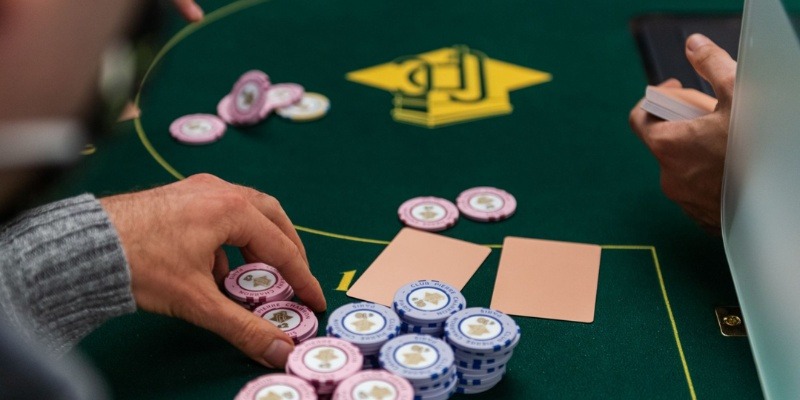
Start with the structural rules, because almost every strategic difference in this format traces back to them.
How cash tables differ from tournaments
In a tournament your stack shrinks in real terms as blinds climb, which forces increasingly wide ranges. A poker cash game has no such clock. Blinds stay fixed, chips hold constant value, and you can fold for an hour without penalty. That single difference makes patience a genuine weapon rather than a slow death.
Buy in ranges and effective stacks
Most tables in Casino LX88 set a minimum around forty big blinds and a maximum around one hundred. Buying in for the maximum is standard for skilled players, since deeper stacks reward postflop skill. Your effective stack, meaning the smaller of your stack and your opponent’s, determines every decision more than your own chip count does.
Position and why it decides hands
Acting last gives you information nobody else has. Hands playable on the button are unplayable under the gun, and this gap widens as stacks deepen. Positional awareness is the fastest improvement available to any player.
Rebuying and table selection
You may top up between hands whenever you drop below the maximum. Always rebuy to full, because playing short surrenders leverage. Equally important, choose your table rather than accepting the first seat offered. The lobby at LX88 displays average pot size and players per flop, which tells you far more about a table than the stake level alone.
Poker cash game strategy before and after the flop
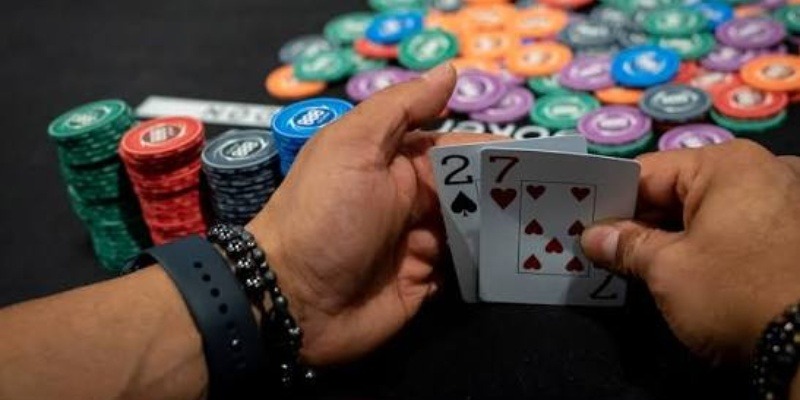
With the structure clear, the next layer is how you actually construct hands across the streets.
Starting hand selection by seat
Open around fifteen percent of hands under the gun, widening steadily until you are opening close to half your range on the button. Suited connectors and suited aces gain enormous value in late position because they flop well and play cleanly in position.
Continuation betting with purpose
Firing every flop is a leak. Bet when the board favours your opening range, meaning high card flops when you raised preflop, and check when the texture connects better with a caller. Sizing around a third of the pot on dry boards and closer to two thirds on wet ones balances protection against value.
Check raising and pressure spots
A check raise from the big blind on a low connected flop applies real pressure precisely because most opponents bet automatically there. Used once or twice a session against predictable players, it recovers far more than it risks.
River decisions and bluff catching
By the river, ranges are narrow. Value bet when a worse hand can call, and fold when a strong opponent suddenly commits after passive earlier action. Successful poker cash game results come more from avoiding large river mistakes than from finding heroic calls.
Poker cash game bankroll rules for long term survival
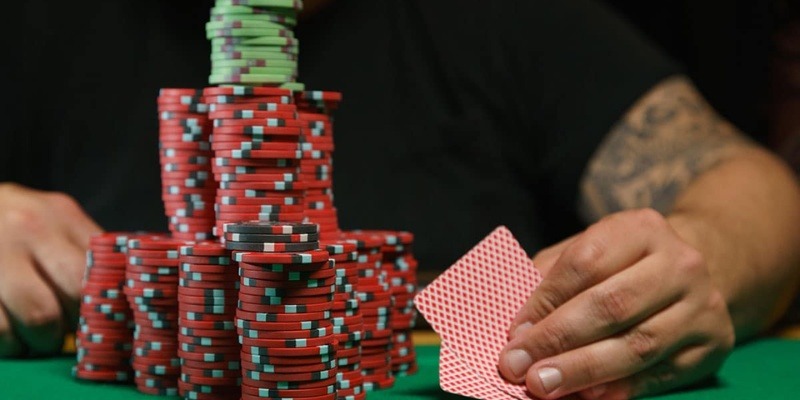
Strategy without a bankroll framework simply changes how quickly variance removes your money.
- Keep at least twenty buy ins for your stake. Thirty is safer if you play a loose aggressive style, since swings run deeper.
- Move down after five losing buy ins. Dropping a level is not a demotion, it is the mechanism that keeps you playing at all.
- Set a session stop loss. Two buy ins in a single sitting is a sensible cap. Losing players almost never recover within the same session, they simply extend the damage.
- Never mix funds. Your poker balance stays separate from sports or casino money so you can actually measure results.
- Track your win rate per hundred hands. Hand histories at LX88 make this straightforward, and a hundred hand sample tells you nothing while ten thousand tells you everything.
- Take breaks after big pots. Both wins and losses distort judgement, and the twenty minutes after a large pot is when most tilt decisions happen.
- Review one hand per session honestly. Pick a hand you played badly, not one you played well, and work out where the mistake entered.
A disciplined poker cash game approach accepts that edges are small and only materialise across volume. Players who move up after one good night and refuse to move down after a bad month are the ones who never build a bankroll, regardless of how well they read a flop.
Conclusion
Poker cash game success comes from a combination of structural understanding, sound street by street decisions and bankroll rules you follow when you least want to. Learn why fixed blinds change the value of patience, buy in deep enough to use your postflop edge, respect position on every single hand, and treat table selection as part of your strategy rather than an afterthought. Set a stop loss before you sit, keep twenty buy ins behind you, and review your play with the same honesty you apply to your opponents. The tables at LX88 give you stake variety, live table statistics and full hand histories, which is everything required to build a genuine long term record. Play within your bankroll, judge yourself across thousands of hands rather than one session, and let the edge accumulate.
