

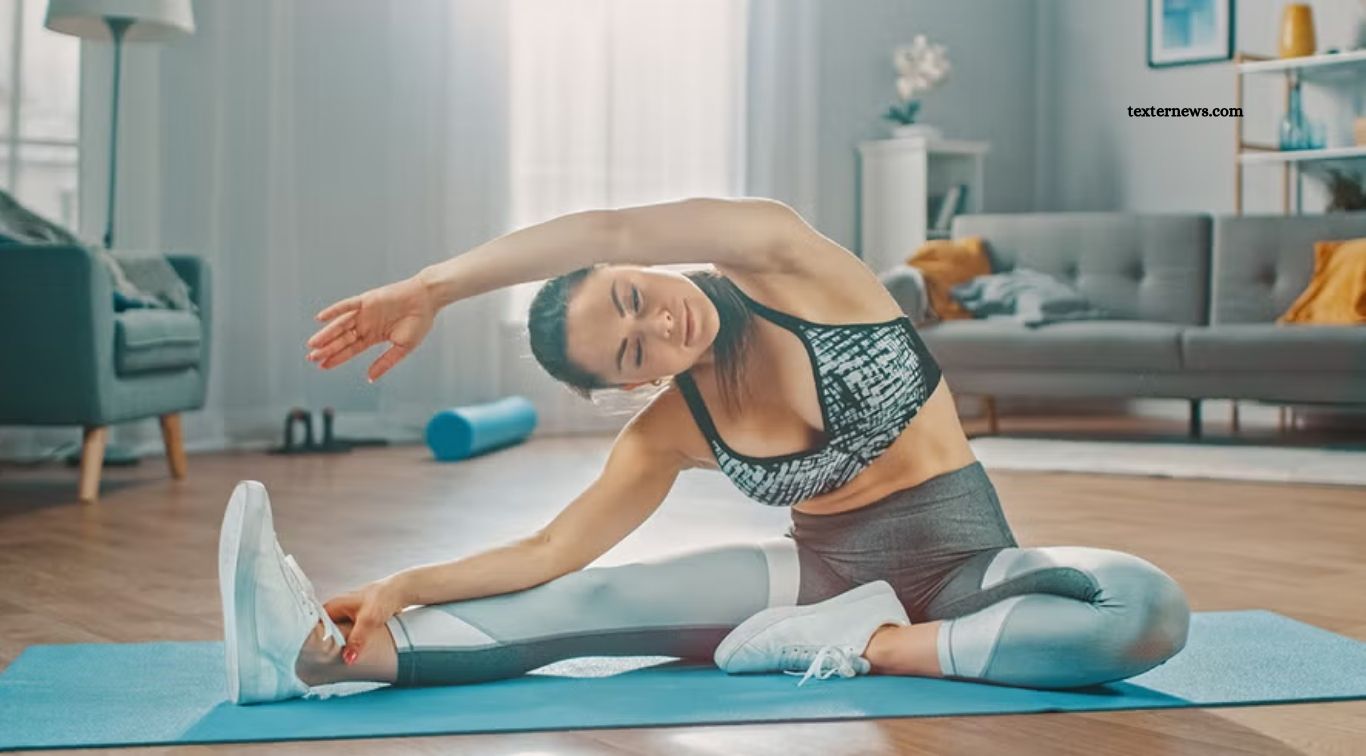
Staying fit does not require an expensive gym membership or complicated exercise equipment. Easy home workouts can help improve strength, boost energy, support weight management, and build a healthier lifestyle. With a simple routine and consistent effort, you can exercise comfortably at home and work toward your fitness goals.
Whether you are a beginner, a busy professional, or someone looking to improve overall fitness, home exercises offer flexibility and convenience. Activities such as squats, push-ups, walking in place, and planks can target different muscle groups while improving endurance. The key is choosing suitable exercises, maintaining proper form, and following a routine that fits your daily schedule.
Read More: Common Health Myths You Should Stop Believing
Why Home Workouts Are Effective
Home workouts make physical activity easier to fit into everyday life. You can exercise without commuting to a gym, waiting for equipment, or paying monthly membership fees. A small, comfortable space is often enough to complete a useful workout using bodyweight exercises.
Regular home exercise can improve muscular strength, cardiovascular fitness, balance, and flexibility. Results depend on factors such as workout intensity, consistency, nutrition, sleep, and your starting fitness level. Following a realistic plan and gradually increasing difficulty can help you build sustainable habits over time.
Jumping Jacks for Full-Body Movement
Jumping jacks are a simple cardiovascular exercise that raises your heart rate and involves several muscle groups. The movement works your legs, shoulders, and core while helping improve coordination and endurance. It can also serve as part of a warm-up before strength exercises.
Start by standing upright with your feet together and arms at your sides. Jump your feet apart while raising your arms, then return to the starting position. Continue at a comfortable pace for 20–30 seconds. If jumping feels uncomfortable, step one foot outward at a time instead.
Squats for Stronger Legs
Squats are an effective bodyweight exercise for strengthening the thighs, glutes, and other muscles involved in everyday movement. They can improve lower-body strength and make activities such as climbing stairs and standing from a chair easier.
Stand with your feet approximately shoulder-width apart and your toes pointing slightly outward. Push your hips backward, bend your knees, and lower your body as far as comfortable while maintaining balance. Return to standing by pushing through your feet. Begin with 8–12 controlled repetitions and focus on proper technique instead of speed.
Push-Ups for Upper-Body Strength
Push-ups help strengthen the chest, shoulders, triceps, and core. They are a useful exercise for building upper-body strength without requiring weights or specialized equipment. Beginners can modify the movement to match their current fitness level.
Place your hands slightly wider than shoulder-width apart and keep your body aligned as you lower your chest toward the floor. Push back to the starting position without allowing your hips to sag. If standard push-ups are too difficult, begin with wall push-ups or incline push-ups using a stable surface. Gradually progress as your strength improves.
Planks for Core Stability
Planks strengthen the muscles that support your trunk, helping improve core stability and control. A strong core contributes to balance, posture, and everyday movement. Planks can also complement exercises that target the arms and legs.
Start in a forearm plank position with your elbows beneath your shoulders and your body aligned from head to heels. Tighten your abdominal muscles and breathe normally while holding the position. Begin with 10–20 seconds, then increase the duration as you become more comfortable. Stop when you can no longer maintain proper form.
Lunges for Balance and Leg Strength
Lunges work the quadriceps, glutes, and other lower-body muscles while challenging balance and coordination. They can help improve strength needed for walking, climbing stairs, and other daily activities. Because each leg works separately, lunges also help identify differences in strength between sides.
Stand upright, step forward with one leg, and bend both knees as your body lowers toward the floor. Keep your front knee aligned with your foot, then push back to the starting position. Repeat with the other leg. Start with 6–10 repetitions per side, or use supported split squats if you need extra balance.
Mountain Climbers for Cardiovascular Fitness
Mountain climbers combine core engagement with repeated leg movements, creating a challenging exercise for cardiovascular endurance. They also involve the shoulders and help develop coordination. Beginners should start slowly before attempting faster variations.
Begin in a high plank position with your hands beneath your shoulders. Bring one knee toward your chest, return it, and then repeat with the opposite knee. Alternate sides while keeping your hips as steady as possible. Continue for 15–30 seconds at a manageable pace. If the movement feels too intense, perform standing knee drives instead.
Glute Bridges for Hip Strength
Glute bridges target the gluteal muscles and engage the muscles around the hips and trunk. This exercise is especially useful for people who want to strengthen their lower body without performing standing movements. It can also complement a balanced routine that includes squats and lunges.
Lie on your back with your knees bent and feet flat on the floor. Keep your arms beside your body, tighten your glutes, and raise your hips until your body forms a comfortable line from shoulders to knees. Pause briefly, then lower your hips slowly. Start with 10–15 repetitions and avoid arching your lower back excessively.
Walking in Place for an Easy Cardio Workout
Walking in place is a beginner-friendly activity that can raise your heart rate without requiring much space. It works well for people who cannot go outdoors regularly or prefer low-impact exercise at home. You can adjust the pace according to your fitness level.
Stand tall, lift your knees comfortably, and swing your arms naturally as you march. Begin with two to five minutes and gradually increase the duration. To make the activity more engaging, walk in place while listening to music or combine it with gentle side steps. Wear supportive footwear if needed and keep the surrounding area clear.
A Simple Home Workout Routine for Beginners
A structured workout helps you exercise different muscle groups without spending too much time planning each session. Beginners can start with a short routine combining lower-body strength, upper-body exercises, core work, and gentle cardio.
Allow time to warm up and rest between movements. Try this beginner-friendly routine two or three times per week, adjusting the exercises to your ability.
| Exercise | Starting Target |
|---|---|
| Walking in place | 2 minutes |
| Bodyweight squats | 8–12 repetitions |
| Wall or incline push-ups | 8–10 repetitions |
| Glute bridges | 10–15 repetitions |
| Standing knee drives | 20–30 seconds |
| Plank | 10–20 seconds |
Complete one or two rounds, resting whenever necessary. As the routine becomes easier, gradually increase repetitions, workout duration, or the number of rounds. Take recovery days between challenging strength sessions, especially when you are new to exercise.
How to Get Better Results From Home Workouts
Consistent training is more effective than performing an intense workout occasionally. Create a realistic schedule and choose a time when you can exercise without frequent interruptions. Tracking completed sessions can also help you identify progress and maintain motivation.
Improve your routine by focusing on correct form, gradually increasing difficulty, and allowing adequate recovery. Combine strength exercises with cardiovascular activities such as brisk walking or dancing. Balanced meals, sufficient hydration, and quality sleep also support exercise performance. Avoid increasing workout intensity too quickly, as excessive training can lead to fatigue and increase injury risk.
12. Common Home Workout Mistakes to Avoid
One common mistake is performing exercises too quickly without maintaining proper technique. Poor form can reduce the effectiveness of movements and increase unnecessary strain on muscles and joints. Beginners should focus on controlled repetitions and choose easier variations when standard exercises feel too challenging.
Another mistake is expecting immediate results or repeating the same demanding workout every day. Fitness improvements take time, and recovery plays an important role in progress. Avoid skipping warm-ups, neglecting hydration, or ignoring persistent pain. If an exercise causes sharp pain, stop and consider seeking advice from a qualified healthcare professional.
Benefits of Easy Home Workouts
Easy home workouts offer several benefits for physical health and daily well-being. Regular exercise can improve muscular strength, cardiovascular fitness, flexibility, balance, and energy levels. Physical activity may also support better sleep and mood while helping reduce the risks associated with a sedentary lifestyle.
Another advantage is convenience. Home workouts can be adapted to different schedules, fitness levels, and available spaces. You can begin with simple movements and gradually develop a more challenging routine without purchasing expensive equipment. Although results vary between individuals, consistency and realistic goals can help make home exercise a lasting habit.
Frequently Asked Questions
Can home workouts deliver real results?
Yes. Regular exercise can improve strength, endurance, mobility, and overall fitness.
How long should a beginner work out at home?
Start with 10–20 minutes per session and gradually increase your duration.
Do home workouts require equipment?
No. Many effective exercises use only your body weight and a small space.
How often should I exercise at home?
Aim for regular movement and strength workouts two or more days per week.
Can home workouts help with weight management?
Yes. Combined with balanced nutrition, regular exercise can support healthy weight management.
What is the best home workout for beginners?
A combination of walking, squats, modified push-ups, glute bridges, and planks is a good starting point.
Conclusion
Easy home workouts that deliver results combine simple exercises, regular practice, and gradual progression. Movements such as squats, push-ups, planks, lunges, and glute bridges can help strengthen major muscle groups, while walking in place and other cardio activities improve endurance. Start with exercises that match your current fitness level and focus on maintaining proper form. Build a routine that fits your schedule, allow your body time to recover, and support your efforts with balanced nutrition and sufficient sleep.
