

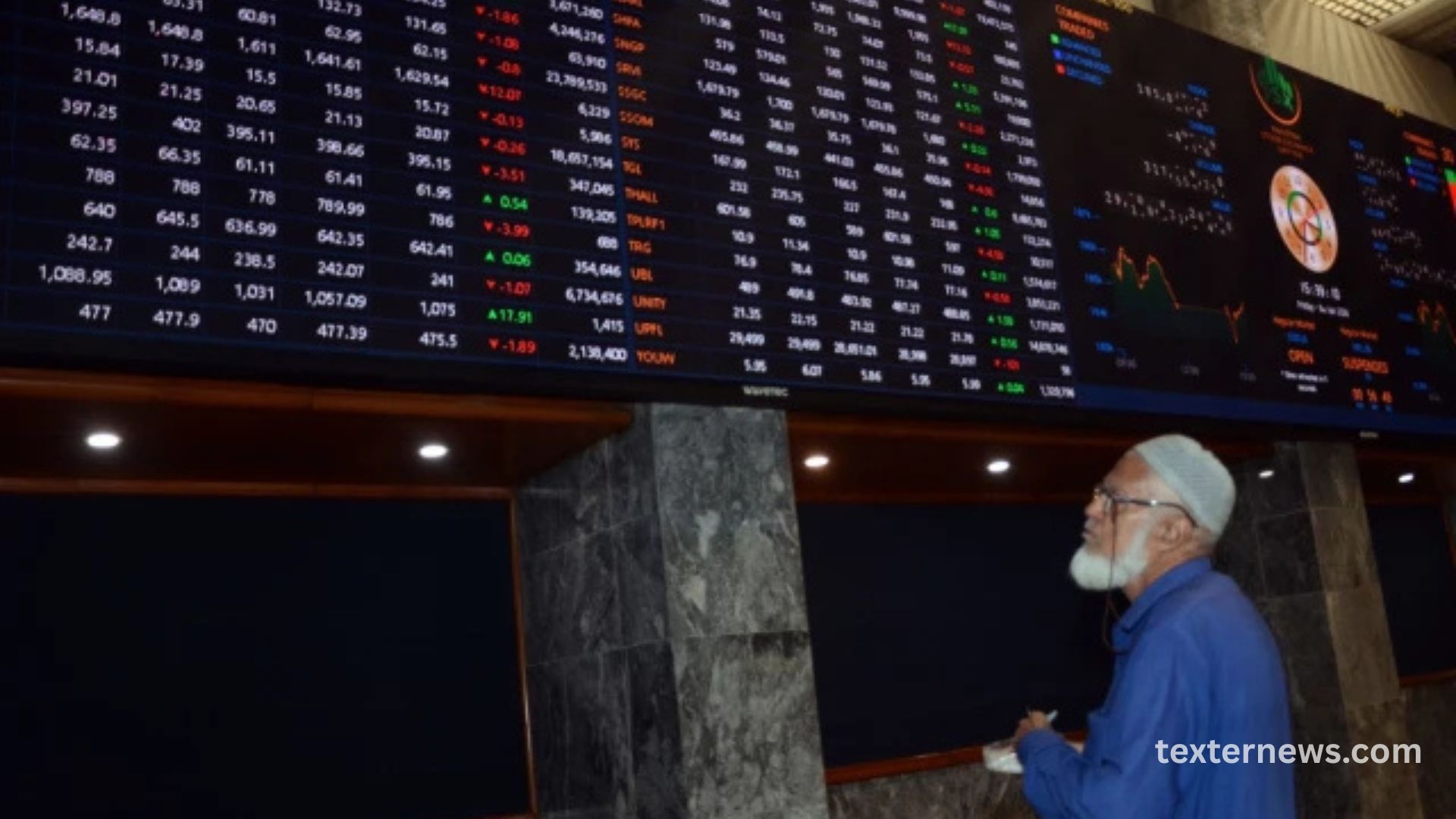
The Pakistan Stock Exchange (PSX) experienced a significant downturn following a sudden surge in fuel prices, creating widespread concern among investors and market analysts. The PSX fuel price shock has disrupted trading patterns, prompted investor caution, and raised questions about the broader economic implications for Pakistan. Fuel costs are a critical component of both industrial and consumer expenses, and any abrupt increase can ripple across financial markets.
This article delves into the causes, impact, and implications of the PSX fuel price shock, analyzing stock performance, sectoral effects, investor sentiment, and potential strategies to navigate the market volatility.
The Trigger: Rising Fuel Prices
Fuel prices in Pakistan have risen sharply due to a combination of global oil price fluctuations, currency depreciation, and domestic taxation policies. The sudden hike directly affected transportation, logistics, and manufacturing costs, prompting concerns about inflation and corporate profitability.
The PSX fuel price shock represents not just a short-term market reaction but also highlights structural vulnerabilities in Pakistan’s energy and economic systems. Analysts note that when fuel prices rise unexpectedly, investors often react swiftly, selling off shares in sectors most sensitive to energy costs, such as transportation, cement, and manufacturing.
Market Reaction to the Shock
The immediate response of the PSX fuel price shock was a noticeable drop in stock indices. Trading volumes surged as investors attempted to mitigate potential losses. Blue-chip companies and energy-intensive sectors experienced the most significant declines.
Sector-specific impacts included transportation companies seeing reduced profit margins, industrial manufacturers bracing for higher operating costs, and the energy sector itself experiencing volatility as analysts recalibrated revenue projections. The benchmark KSE-100 index registered substantial declines within the first trading hours following the announcement of the fuel price increase.
Sectoral Analysis
The PSX fuel price shock had uneven effects across different market sectors.
Energy and petroleum companies initially benefited from rising prices due to higher revenue potential, yet concerns over government regulation and public backlash moderated gains.
Transportation and logistics firms, heavily reliant on fuel for operations, faced immediate cost pressures. Investor sentiment reflected a cautious approach to these sectors, leading to temporary sell-offs.
Industrial manufacturing sectors also reacted negatively, as fuel costs represent a significant portion of production expenses. Companies dependent on imported fuel or operating with narrow profit margins were particularly vulnerable.
Investor Sentiment and Behavioral Patterns
The PSX fuel price shock triggered pronounced behavioral changes among investors. Market participants exhibited risk aversion, opting to liquidate positions in high-cost sectors while reallocating assets to relatively stable or defensive stocks.
Psychological factors played a role, as news of fuel price hikes often spurs fear of inflation, currency depreciation, and lower corporate profitability. Analysts noted that the sentiment was amplified by media coverage and social media discussions, influencing retail and institutional investors alike.
Economic Implications
Beyond the stock market, the PSX fuel price shock has broader economic consequences. Higher fuel prices translate into increased transportation costs, raising the prices of goods and services across the country. This contributes to inflationary pressures, which can affect consumer spending and overall economic growth.
For businesses, particularly those in logistics, manufacturing, and retail, higher fuel costs erode profit margins. Companies may respond by passing costs to consumers, implementing operational efficiencies, or delaying capital investments, all of which can impact economic productivity.
Policy Response and Government Measures
The government of Pakistan often responds to fuel price shocks through a combination of fiscal and monetary measures. Subsidies, taxation adjustments, and strategic petroleum reserves are tools used to stabilize the market.
Following the recent PSX fuel price shock, officials emphasized measures to support consumers and businesses, including temporary subsidies for transport and potential negotiation with international suppliers to moderate further price increases. Monetary authorities may also consider interest rate adjustments to curb inflationary pressures.
Historical Context of Fuel Price Shocks
Pakistan has experienced several fuel price shocks in the past, each resulting in varying levels of stock market volatility. Historical patterns suggest that while immediate reactions are often negative, markets typically stabilize as companies adjust to new cost structures and investors recalibrate expectations.
The PSX fuel price shock mirrors previous instances where energy price surges led to temporary stock market declines but also highlighted the resilience of certain sectors, particularly technology, consumer staples, and banking, which tend to perform better under inflationary pressure.
Strategies for Investors
Navigating the PSX fuel price shock requires careful consideration and strategic planning. Investors are advised to:
Focus on defensive sectors that are less sensitive to fuel price fluctuations, such as banking, consumer goods, and pharmaceuticals.
Consider hedging strategies to mitigate exposure to energy-intensive industries.
Monitor government policy announcements, as interventions can significantly influence market recovery and investor confidence.
Diversify portfolios to balance potential losses in high-risk sectors with stable returns from resilient industries.
Long-Term Implications for the PSX
While the immediate impact of the PSX fuel price shock is clear, long-term effects are contingent on several factors:
Global oil price trends, currency stability, and domestic energy policies will determine whether the stock market experiences sustained volatility or a gradual recovery.
Structural reforms in energy pricing, improved fuel supply chains, and investment in alternative energy sources could mitigate future shocks.
Investor confidence will be crucial in determining the market’s ability to absorb such shocks without prolonged declines.
Expert Opinions
Market analysts highlight that the PSX fuel price shock is both a short-term market correction and a reminder of the broader economic challenges facing Pakistan. Experts suggest that while energy price hikes are unavoidable in a global market context, transparent communication, policy stability, and strategic interventions can help cushion the impact on both businesses and the stock market.
Financial experts also emphasize the importance of long-term portfolio diversification and caution against panic selling during periods of volatility.
The Role of Media and Public Perception
The media’s coverage of the PSX fuel price shock played a significant role in shaping public perception and investor sentiment. Extensive reporting on price increases, potential inflation, and stock market declines amplified market reactions.
Analysts note that while media transparency is essential, speculative reporting can sometimes exacerbate panic, prompting hasty investment decisions. Accurate information and measured analysis help maintain market stability during periods of economic stress.
Future Outlook
The PSX fuel price shock serves as a reminder of the interconnectedness of global energy markets and domestic economic performance. Moving forward, investors and policymakers will focus on strategies to manage fuel costs, stabilize stock performance, and sustain economic growth.
Alternative energy investments, strategic petroleum reserves, and improved financial risk management practices are expected to play a pivotal role in mitigating the impact of future fuel price shocks.
FAQs (Frequently Asked Questions)
What caused the PSX fuel price shock?
Global oil price increases, currency depreciation, and domestic taxes contributed to the fuel price surge.
Which sectors were most affected?
Transportation, logistics, and manufacturing sectors experienced the largest declines.
Did all PSX stocks fall?
No, defensive sectors like banking and consumer staples remained relatively stable.
How did investors react to the shock?
Many investors sold high-risk stocks and moved to more stable investments.
What measures did the government take?
Authorities considered subsidies, price monitoring, and regulatory measures to stabilize the market.
Could this fuel price shock impact inflation?
Yes, higher fuel costs can lead to increased transportation and production costs, raising overall inflation.
Will the market recover quickly?
Historical trends suggest short-term volatility, with gradual recovery as companies adjust.
How can investors protect themselves in future shocks?
Diversification, defensive sector investment, and monitoring government policies are key strategies.
Conclusion:
The PSX fuel price shock triggered significant market volatility, affecting energy-dependent sectors while defensive industries remained stable. Rapid government intervention, cautious investor behavior, and strategic trading helped limit long-term disruption. The incident highlights the critical need for structural reforms, portfolio diversification, and effective risk management in Pakistan’s financial markets. By understanding these market dynamics, investors and businesses can better prepare for future fuel price fluctuations, navigate economic uncertainty, and maintain stability despite sudden shocks to the stock exchange.
