

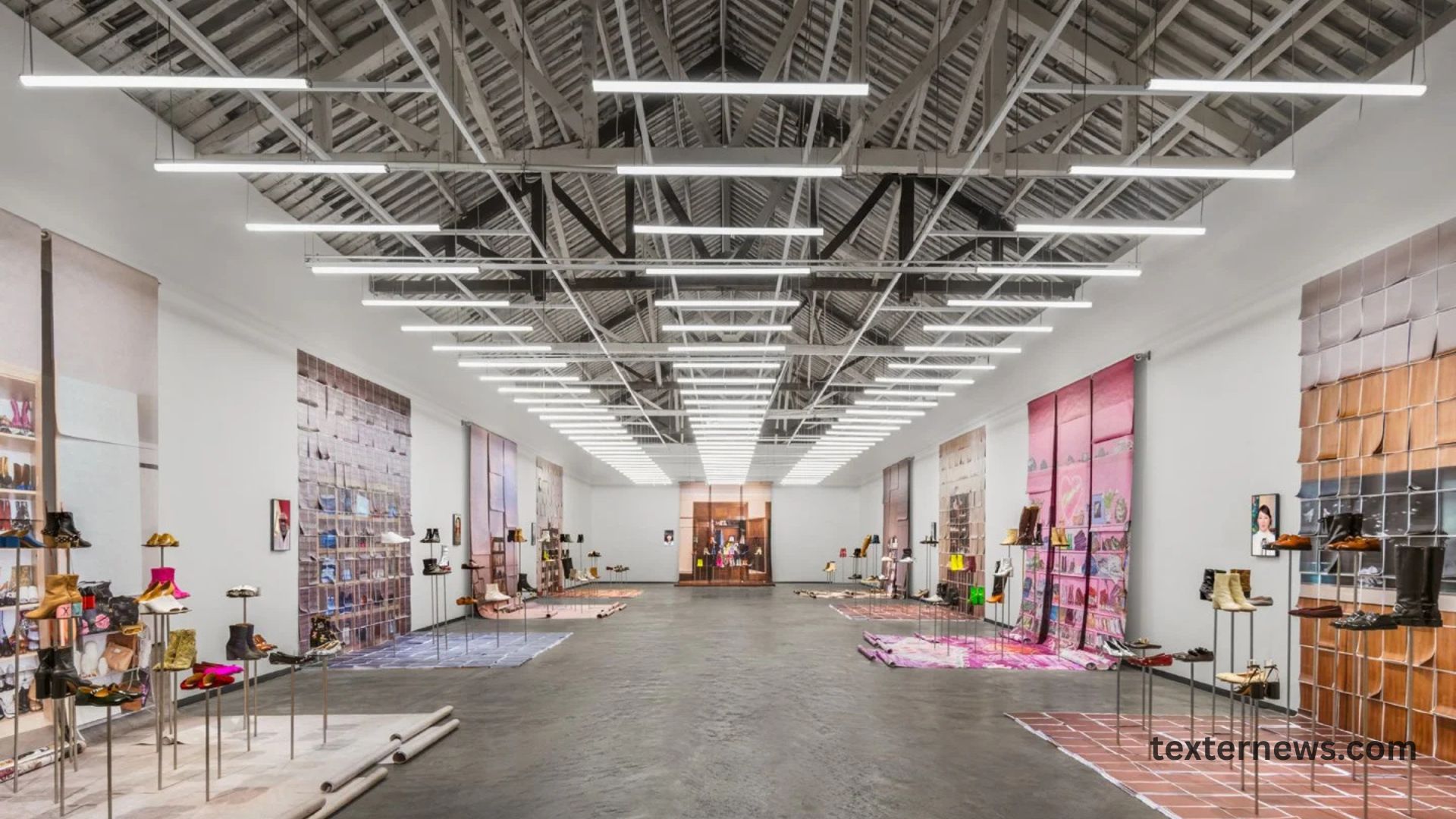
The world of high fashion continues to evolve through innovative storytelling and immersive experiences, and the latest exhibition by Maison Margiela in Chengdu, China, is a perfect example of this creative direction. The exhibit invites visitors to explore the iconic Tabi shoe through a deeply personal lens, showcasing pairs owned and worn by collectors from around the world. This unique concept blends fashion, history, and individuality, offering a rare glimpse into how a single design can resonate across cultures and generations.
By focusing on collectors’ personal shoes rather than brand-new designs, the exhibition emphasizes storytelling over spectacle. Each pair reflects a journey, capturing memories, wear patterns, and personal style. The Chengdu exhibit not only celebrates the legacy of the Tabi shoe but also highlights the emotional connection between fashion and identity, making it a standout event in the global fashion calendar.
The Legacy of the Tabi Shoe
The Tabi shoe is one of the most recognizable designs in modern fashion, originally introduced by Martin Margiela in 1988. Inspired by traditional Japanese split-toe footwear, the design challenged conventional ideas of beauty and footwear structure.
From its debut, the Tabi became a symbol of avant-garde fashion. Its distinctive silhouette sparked conversation and redefined the relationship between form and function. Over the years, it has evolved into a cultural icon, embraced by fashion enthusiasts, celebrities, and collectors alike.
Concept Behind the Chengdu Exhibition
The Chengdu exhibition stands out for its focus on personal storytelling. Instead of presenting a curated selection of pristine designs, Maison Margiela chose to showcase worn Tabi shoes submitted by collectors.
This approach shifts the narrative from the brand to the wearer. Each pair carries signs of use—scuffs, creases, and unique alterations—that tell a story about its owner. By highlighting these details, the exhibition celebrates individuality and the lived experience of fashion.
Why Chengdu Was Chosen as the Host City
Chengdu has emerged as a major cultural and fashion hub in recent years. Known for its vibrant art scene and growing influence in global fashion, the city provides the perfect backdrop for such an innovative exhibition.
The choice of Chengdu reflects the brand’s commitment to engaging with diverse audiences. China’s fashion market continues to expand, and events like this help strengthen connections between international brands and local communities.
Exhibition Design and Visitor Experience
The exhibition space is designed to create an immersive experience for visitors. Carefully arranged displays allow each pair of Tabi shoes to stand out, accompanied by stories and background information about the owners.
Lighting and layout play a crucial role in highlighting the textures and details of the shoes. Visitors are encouraged to move through the space at their own pace, engaging with each exhibit on a personal level. This interactive approach enhances the overall experience, making it both educational and emotionally engaging.
The Role of Collectors in Fashion Culture
Collectors play an important role in preserving fashion history. Their dedication to acquiring and maintaining unique pieces helps keep the legacy of iconic designs alive.
In this exhibition, collectors become storytellers. Their contributions transform the Tabi shoe from a product into a cultural artifact. This highlights the importance of community in shaping the meaning and value of fashion.
Cultural Significance of the Tabi Design
The Tabi shoe’s design is deeply rooted in cultural references. Its split-toe structure draws inspiration from traditional Japanese footwear, blending historical elements with modern innovation.
By reinterpreting this design, Maison Margiela created a piece that transcends cultural boundaries. The Chengdu exhibition further emphasizes this global appeal, showcasing how the Tabi resonates with people from different backgrounds.
Art Meets Fashion in the Exhibit
The exhibition blurs the line between art and fashion. Each pair of shoes is presented as a piece of art, with its own narrative and aesthetic value.
This approach reflects a broader trend in the fashion industry, where designers are increasingly exploring artistic expression. By presenting worn shoes as art objects, the exhibition challenges traditional notions of luxury and perfection.
Impact on the Global Fashion Scene
Events like this have a significant impact on the global fashion industry. They encourage brands to think beyond traditional runway shows and explore new ways of engaging audiences.
The Chengdu exhibition sets a precedent for future fashion events, demonstrating the value of storytelling and community involvement. It also reinforces the importance of cultural exchange in shaping modern fashion.
Social Media and Digital Influence
The exhibition has gained attention on social media platforms, where visitors share their experiences and favorite displays. This digital exposure extends the reach of the event, attracting a global audience.
Social media also allows collectors to connect with each other, creating a sense of community around the Tabi shoe. This online engagement complements the physical exhibition, enhancing its overall impact.
Sustainability and the Value of Worn Fashion
By showcasing worn shoes, the exhibition highlights the concept of sustainability in fashion. Instead of focusing on new products, it celebrates longevity and reuse.
This aligns with the growing movement toward sustainable fashion, where consumers are encouraged to value quality and durability over fast consumption. The Tabi shoe, known for its craftsmanship, embodies these principles.
Audience Reception and Critical Response
The exhibition has received positive feedback from both visitors and critics. Many have praised its innovative concept and emotional depth.
Fashion experts have noted that the focus on personal stories adds a new dimension to the traditional exhibition format. This approach resonates with audiences who are increasingly seeking meaningful experiences.
Read More: What We’re Up Against: Key Challenges Shaping the Future
The Future of Fashion Exhibitions
The success of the Chengdu event suggests a shift in how fashion exhibitions are designed. Future events may continue to emphasize storytelling, community involvement, and immersive experiences.
Brands are likely to explore similar concepts, using exhibitions as a platform to connect with audiences on a deeper level. This trend reflects the evolving nature of fashion as both an industry and a cultural force.
FAQs (Frequently Asked Questions)
What is the Chengdu exhibition about?
It showcases collectors’ personal Tabi shoes and their stories.
Who created the Tabi shoe?
Martin Margiela introduced it in 1988.
Why is the Tabi shoe famous?
Its unique split-toe design and cultural significance.
Where is the exhibit held?
In Chengdu, China.
What makes this exhibit unique?
It focuses on worn shoes and personal stories.
How does it promote sustainability?
By highlighting reuse and long-lasting fashion pieces.
Who are the contributors?
Collectors from different parts of the world.
What is the main theme?
Fashion as storytelling and cultural expression.
Conclusion:
The Chengdu exhibition by Maison Margiela offers a fresh perspective on fashion, transforming the iconic Tabi shoe into a symbol of personal storytelling and cultural connection. By focusing on collectors and their experiences, the event highlights the emotional and artistic value of fashion. As the industry continues to evolve, exhibitions like this demonstrate the power of creativity, community, and innovation in shaping the future of global fashion.
