

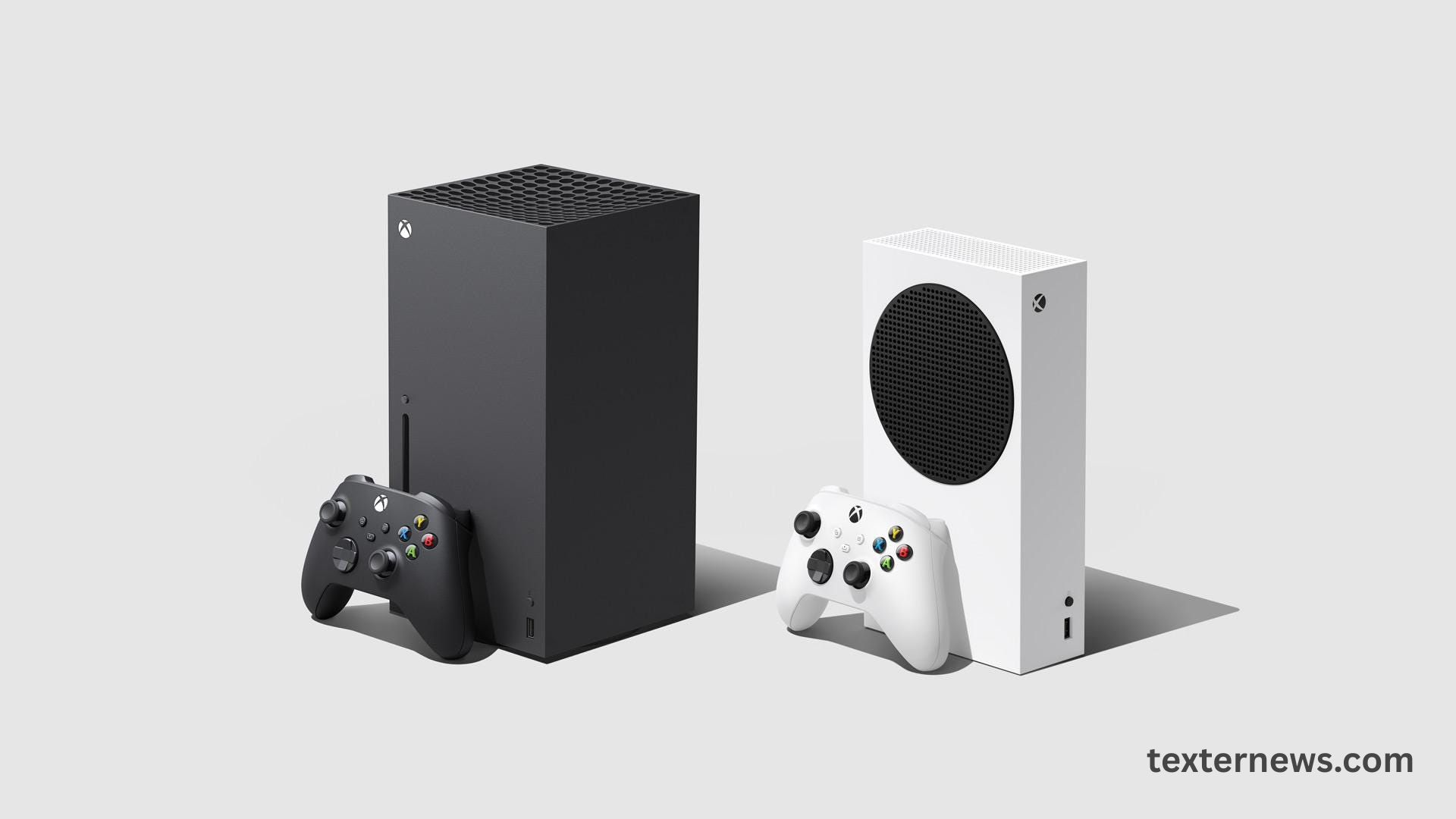
Microsoft is reportedly bringing backward compatibility to Xbox consoles, a move that has ignited excitement across the gaming community. This initiative allows gamers to play older titles on the latest hardware, ensuring that their investment in classic games remains valuable. Backward compatibility has been a highly requested feature, and its return reinforces Microsoft’s commitment to catering to player demands while preserving the legacy of gaming history.
The announcement comes at a time when the gaming industry is rapidly evolving. With next-generation consoles offering advanced graphics, faster load times, and AI-enhanced gameplay, players often face the challenge of losing access to their older libraries. Microsoft’s backward compatibility initiative addresses this gap, providing both nostalgia and convenience.
Understanding Backward Compatibility
Backward compatibility is the ability of a console to run games from previous generations. For Xbox players, this means that titles released for older consoles like the Xbox One, Xbox 360, or even the original Xbox can be played on the newest Xbox Series X and Series S models. The feature is especially important for gamers who have invested heavily in digital libraries or physical collections.
Microsoft first introduced backward compatibility on the Xbox One, allowing select Xbox 360 titles to be played seamlessly. Over time, the company expanded the library, adding more games each year. The renewed focus on this feature demonstrates Microsoft’s recognition of its importance in maintaining player loyalty and supporting long-term engagement.
Why Backward Compatibility Matters
Backward compatibility is more than a convenience; it represents a strategic advantage for both Microsoft and its players. Gamers can enjoy their favorite classics without the need for older hardware, which may be obsolete or difficult to maintain. This ensures that beloved franchises remain accessible and relevant.
For developers, backward compatibility allows their games to reach a wider audience. Titles that were once limited to older consoles can now be rediscovered by new players, potentially boosting sales and revitalizing interest in classic IPs. This dual benefit strengthens the Xbox ecosystem and enhances the overall gaming experience.
The Scope of Microsoft’s Initiative
Reports suggest that Microsoft’s backward compatibility plans are extensive, potentially encompassing thousands of games across multiple Xbox generations. This could include popular titles from the Xbox 360 era, iconic original Xbox games, and even fan-favorite exclusives. By offering a broad library, Microsoft ensures that both casual players and hardcore enthusiasts find value in the service.
Additionally, the company is expected to optimize older games for modern hardware. This means improved load times, enhanced graphics, and smoother gameplay, taking advantage of the Xbox Series X and Series S capabilities. Such enhancements make playing classic titles feel fresh while preserving the original experience.
Benefits for Xbox Game Pass Subscribers
Backward compatibility also complements Microsoft’s Xbox Game Pass subscription service. Many older titles can now be integrated into Game Pass, giving subscribers access to an extensive library of legacy games. This not only adds value to the subscription but also encourages players to explore titles they might have missed.
By combining backward compatibility with Game Pass, Microsoft creates a seamless gaming ecosystem where players can access new releases, old favorites, and exclusive content all in one place. This strategy reinforces Xbox’s competitive edge in the subscription-based gaming market.
Technical Challenges and Solutions
Implementing backward compatibility is not without challenges. Older games were designed with specific hardware configurations, which may differ significantly from modern consoles. Compatibility issues, such as performance inconsistencies or graphical glitches, can arise when running these games on new systems.
Microsoft addresses these challenges through software emulation, patches, and enhancements. Emulation allows the console to mimic the hardware of older generations, while patches correct specific issues that affect gameplay. Combined with the power of modern Xbox consoles, these solutions ensure that backward-compatible games run smoothly and reliably.
Nostalgia and Player Engagement
Backward compatibility taps into the emotional connection players have with their favorite games. Nostalgia plays a powerful role in gaming, and enabling access to older titles allows players to relive memorable experiences. This can increase engagement, drive community discussions, and even inspire remakes or reboots of classic games.
Gamers often associate older titles with formative moments in their gaming journey. By preserving access to these experiences, Microsoft not only strengthens its relationship with existing players but also attracts new audiences interested in gaming history.
Competitive Advantage Over Rivals
Backward compatibility gives Microsoft a significant advantage over competitors. While Sony and Nintendo offer varying degrees of backward compatibility, Microsoft’s approach is notable for its breadth and integration with modern services like Game Pass and Smart Delivery. This positions Xbox as a platform that values legacy content and player investment.
The feature also supports cross-generation play, allowing gamers on different Xbox models to share experiences and multiplayer sessions. This inclusive approach enhances community building and long-term retention.
Developer Perspectives
Developers benefit from backward compatibility as it extends the lifespan of their games. Titles that might have been limited to a specific console generation can continue to generate revenue and reach new players. This encourages studios to maintain older titles, release updates, or even create enhanced editions.
Moreover, Microsoft often collaborates with developers to optimize older games for modern consoles. This partnership ensures that the gaming experience meets contemporary standards without compromising the essence of the original title.
Potential Limitations
Despite its advantages, backward compatibility may have limitations. Not all games may be supported due to licensing issues, technical restrictions, or other factors. Players should check official lists to confirm whether specific titles are compatible with newer Xbox consoles.
Additionally, some features of modern consoles, such as 120Hz refresh rates or ray tracing, may not be fully supported in older games. While improvements in performance are common, the experience may not always match the capabilities of new-generation titles.
Read More: LG 2026 QNED Evo TVs Get Bigger, Brighter and More Practical
Looking Ahead: Future of Backward Compatibility
Microsoft’s renewed focus on backward compatibility signals a long-term commitment to preserving gaming history. As consoles continue to evolve, maintaining access to legacy titles will remain a priority. The integration of AI, cloud gaming, and enhanced emulation may further improve the quality and accessibility of older games.
Future initiatives could include automated optimization for all compatible games, cloud-based streaming for legacy titles, and broader integration with subscription services. These advancements would make backward compatibility not just a feature, but a core element of the Xbox ecosystem.
FAQs (Frequently Asked Questions)
What is backward compatibility on Xbox?
It allows older Xbox games to be played on newer consoles like the Xbox Series X and Series S.
Which Xbox generations are supported?
Backward compatibility includes Xbox One, Xbox 360, and select original Xbox games.
How does Microsoft optimize older games?
Through emulation, patches, and hardware enhancements for better graphics and performance.
Will all Xbox games be backward compatible?
Not all titles; compatibility depends on licensing, technical feasibility, and developer support.
Does backward compatibility work with Game Pass?
Yes, many older titles can be played via Xbox Game Pass for subscribers.
How does backward compatibility benefit developers?
It extends the lifespan of games, reaching new audiences and generating ongoing revenue.
Are there limitations with newer console features?
Some modern features like 120Hz refresh rates or ray tracing may not apply to older games.
Why is backward compatibility important for Xbox?
It preserves gaming history, enhances player loyalty, and strengthens the platform’s value.
Conclusion:
The return of backward compatibility on Xbox consoles is a major win for gamers, developers, and the gaming industry. It allows players to enjoy older titles on new hardware, preserves gaming history, and enhances engagement. With Game Pass integration and optimization for modern consoles, Microsoft balances innovation with respect for legacy content. Gamers gain more options and freedom, while developers reach new audiences. Backward compatibility reinforces Xbox as a forward-thinking platform that values both progress and tradition.
