

Consumer technology continues evolving rapidly, changing how people communicate, work, shop, travel, entertain themselves, and manage everyday tasks. From artificial intelligence and smart home devices to wearable technology and connected entertainment, innovations are becoming more accessible and practical for everyday users.
The latest consumer technology trends focus on convenience, personalization, connectivity, security, and smarter digital experiences. Readers who want to stay updated on tech trends across categories like AI, gadgets, and connected devices can explore ongoing coverage from independent sources. Understanding these developments can help consumers make better purchasing decisions while preparing for the next generation of digital products and services.
Read More: Smart Home Devices Worth Investing In
Artificial Intelligence Becomes Part of Everyday Technology
Artificial intelligence has moved beyond specialized applications and become a major part of consumer technology. Smartphones, computers, search platforms, cameras, and productivity applications increasingly use AI to deliver faster and more personalized experiences.
AI-powered assistants can help users write content, summarize information, organize tasks, edit images, translate languages, and answer questions. Generative AI is also becoming integrated directly into consumer devices, allowing users to complete tasks without relying on multiple separate applications.
Smarter Smartphones Continue Growing
Smartphones remain one of the most important consumer technology categories. Manufacturers are focusing on improved cameras, longer battery life, faster processors, brighter displays, stronger security, and advanced AI features.
Modern smartphones can recognize objects, enhance photographs, remove unwanted elements from images, translate conversations, and optimize device performance. Foldable smartphones are also developing, offering larger screens while maintaining relatively compact designs.
Wearable Technology Gets More Advanced
Smartwatches and fitness trackers are becoming more useful beyond basic notifications and activity tracking. Newer wearable devices offer advanced fitness measurements, sleep monitoring, heart-rate tracking, GPS features, and personalized health insights.
Smart rings are also gaining attention because they provide discreet tracking without requiring users to wear a traditional smartwatch. As sensors become smaller and more efficient, wearable technology is likely to become even more integrated into daily routines.
Smart Home Technology Expands
Smart home devices are making household management more convenient. Connected lights, thermostats, cameras, doorbells, locks, speakers, and appliances can communicate through home networks and respond to automated commands.
Modern smart home systems increasingly use AI to understand routines and automate repetitive activities. Consumers can control compatible devices through smartphones, voice assistants, or centralized smart home platforms.
Connected Entertainment Experiences
Streaming remains a major force in consumer entertainment, while smart TVs and connected devices continue improving the viewing experience. Consumers increasingly expect personalized recommendations, high-resolution content, immersive audio, and seamless access across multiple devices.
Gaming technology is also advancing through cloud gaming, virtual reality, augmented reality, and more powerful consoles. These technologies are creating interactive entertainment experiences that extend beyond traditional screens.
Electric Vehicles Become Consumer Technology Products
Electric vehicles are increasingly connected to the broader technology ecosystem. Modern EVs feature advanced infotainment systems, smartphone integration, driver-assistance technologies, over-the-air software updates, and connected navigation.
Software is becoming an important part of vehicle ownership. Manufacturers can introduce improvements remotely, adding functionality without requiring traditional dealership visits for every update.
Home Energy Technology Gains Attention
Energy-focused consumer technology is becoming increasingly important as households look for greater efficiency. Smart meters, connected thermostats, solar systems, home batteries, and intelligent energy-management platforms help consumers monitor and manage electricity consumption.
These technologies can provide real-time information about energy usage and support more efficient household routines. As smart energy systems improve, connected homes may become better equipped to manage energy automatically.
Privacy and Digital Security Become Priorities
Greater connectivity also creates greater security challenges. Consumers now manage financial information, personal communications, photographs, documents, and other sensitive data across numerous connected devices.
Technology companies are responding with stronger biometric authentication, encrypted communication, security updates, privacy controls, and improved account protection. Consumers should also prioritize strong passwords, multi-factor authentication, software updates, and careful management of application permissions.
Sustainable Consumer Technology
Sustainability is becoming an important consideration in technology purchasing decisions. Consumers are increasingly interested in energy-efficient devices, longer product lifespans, repairability, recycled materials, and responsible manufacturing.
Technology companies are exploring ways to reduce electronic waste through improved device durability, recycling programs, energy-efficient components, and more sustainable packaging. These efforts can influence how future consumer products are designed and manufactured.
Personalized Technology Experiences
Personalization is another major consumer technology trend. AI and connected services can analyze user preferences and behavior to deliver customized recommendations, settings, content, and experiences.
From personalized music playlists to smart shopping suggestions and adaptive smartphone features, technology is becoming more responsive to individual needs. The challenge will be balancing personalization with privacy and transparent data management.
What Consumers Can Expect Next
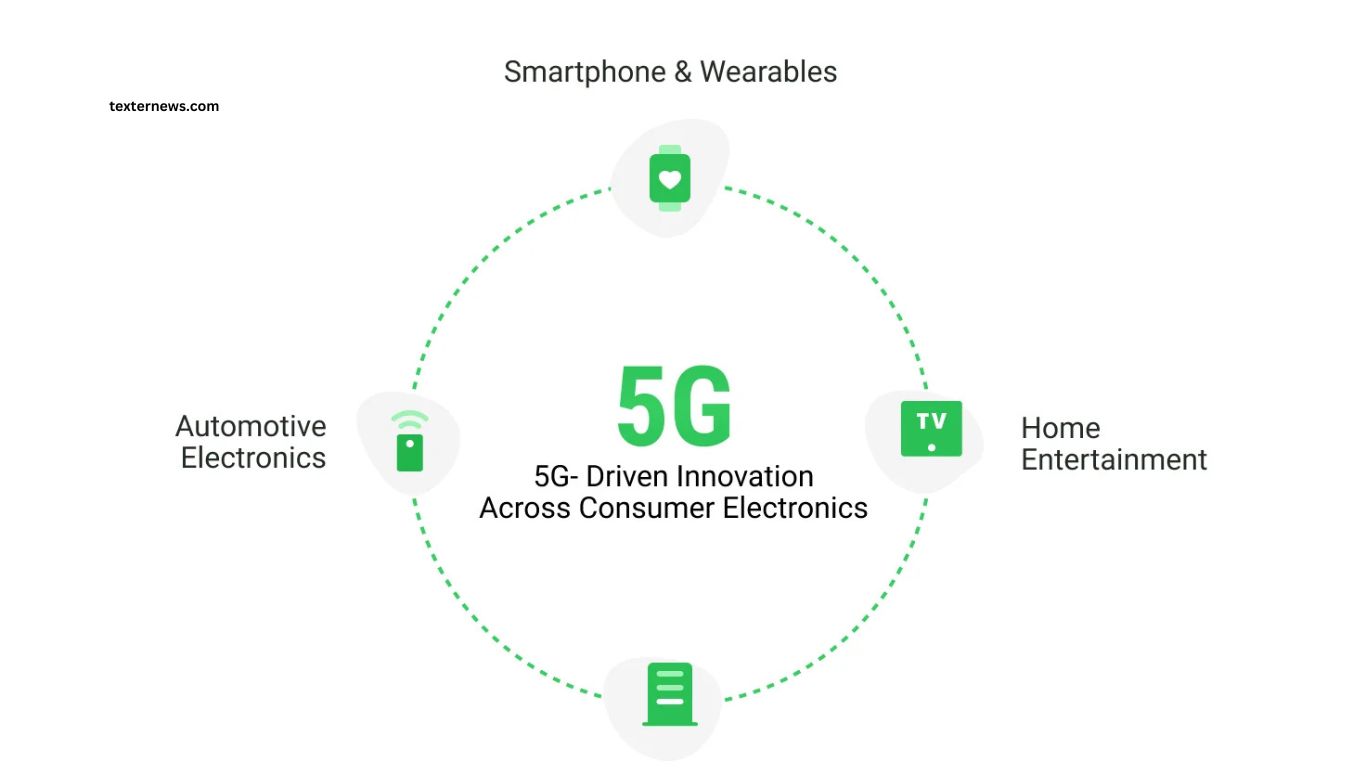
Future consumer technology will likely become more connected, intelligent, efficient, and personalized. AI will continue appearing across everyday devices, while wearable technology, smart homes, electric vehicles, and immersive entertainment will develop alongside faster connectivity.
Consumers can expect technology to become less noticeable in daily life while handling more tasks automatically. The most successful products will likely combine useful innovation with simple interfaces, strong security, reliable performance, and practical value.
Frequently Asked Questions
What is the biggest consumer technology trend?
Artificial intelligence is one of the biggest consumer technology trends, appearing across smartphones, computers, home devices, entertainment platforms, and applications.
How is AI changing consumer technology?
AI is helping devices automate tasks, personalize experiences, improve performance, generate content, and provide smarter digital assistance.
Are smart home devices becoming more useful?
Yes. Smart home devices are becoming more connected and capable of automating lighting, security, energy management, entertainment, and household routines.
What wearable technology is becoming popular?
Smartwatches and smart rings are gaining popularity because they offer convenient activity tracking, notifications, fitness features, and personalized insights.
Why is digital security important for consumers?
Connected devices store and transmit personal information, making strong authentication, software updates, privacy controls, and secure online habits increasingly important.
Are electric vehicles considered consumer technology?
Yes. Modern electric vehicles combine transportation with software, connectivity, digital entertainment, navigation, driver assistance, and remote updates.
What will consumer technology look like in the future?
Future consumer technology will likely become more intelligent, connected, personalized, energy-efficient, and automated while placing greater emphasis on privacy and security.
Conclusion
The latest consumer technology trends show a clear movement toward smarter, more connected, and personalized digital experiences. Artificial intelligence, wearable devices, smart homes, electric vehicles, connected entertainment, and sustainable technology are reshaping everyday consumer habits.

1 Comment
Pingback: Top Trending News Stories Everyone Is Talking About Today - TexterNews