

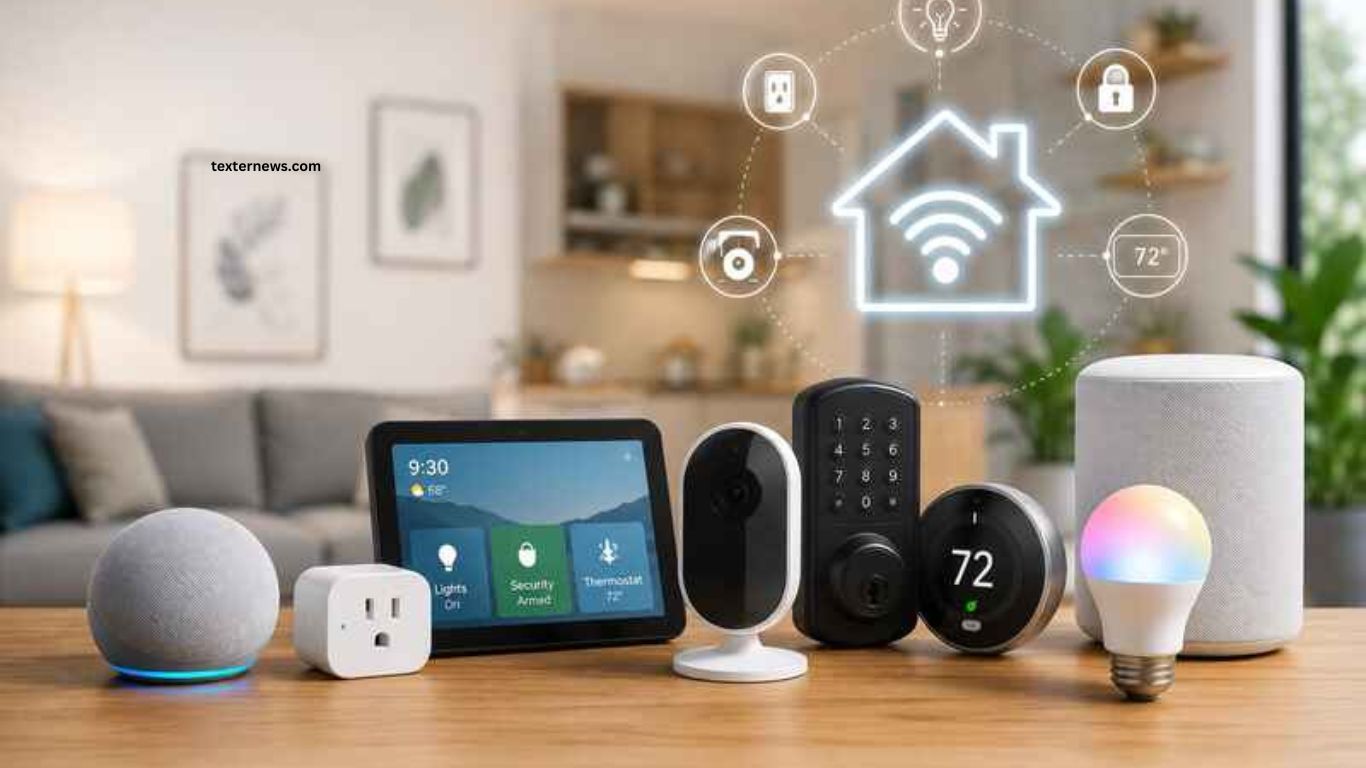
Smart home technology has changed how people manage everyday life. From automated lighting to intelligent security systems, modern devices can improve comfort, convenience, safety, and energy efficiency. Choosing the right smart home devices can also reduce unnecessary expenses while making daily routines easier.
Investing in smart technology does not mean filling every room with connected gadgets. The best approach focuses on useful devices that solve real problems and deliver long-term value. Understanding which smart home devices are worth investing in can help homeowners build a practical, efficient, and future-ready living space.
Read More: AI-Powered Technologies That Improve Daily Life
What Makes a Smart Home Device Worth Investing In?
A valuable smart home device should offer more than novelty. Reliability, useful features, compatibility, security, energy efficiency, and long-term performance are important factors when choosing connected technology.
Smart devices should also work smoothly with existing equipment. Compatibility with popular smart home platforms makes it easier to control multiple products from one application or voice assistant. Strong privacy features and regular software updates also matter because connected devices can handle personal information and home data.
Smart Security Cameras
Smart security cameras remain one of the most useful investments for modern homes. These cameras can provide real-time monitoring, motion detection, night vision, two-way communication, and smartphone alerts.
Modern models can notify homeowners when unusual movement occurs around doors, garages, driveways, or other important areas. Some cameras also include intelligent detection features that can distinguish between people, vehicles, animals, and general movement.
Choosing a camera with strong encryption, secure account protection, reliable video quality, and flexible storage options can provide better long-term value.
Smart Doorbells
A smart doorbell combines traditional doorbell functionality with modern security features. Homeowners can receive alerts when someone approaches the entrance, communicate with visitors remotely, and monitor activity around the front door.
Smart doorbells can become especially useful for deliveries. Real-time notifications help homeowners know when packages arrive, even when they are away from home.
A model with clear video, wide-angle coverage, night vision, motion detection, and dependable connectivity can make a worthwhile addition to a smart home.
Smart Thermostats
Smart thermostats can improve indoor comfort while helping reduce unnecessary heating and cooling costs. These devices can learn household routines, adjust temperatures automatically, and allow remote control through smartphones.
Some advanced thermostats can detect occupancy and create customized schedules. Integration with other smart home devices can further improve energy management.
For homeowners who regularly use heating or air conditioning, a smart thermostat can provide practical value over time.
Smart Lighting Systems
Smart lighting offers one of the easiest ways to upgrade a traditional home. Smart bulbs, switches, and lighting systems can be controlled through smartphones, voice commands, schedules, and automation routines.
Homeowners can adjust brightness, create lighting scenes, and automatically turn lights on or off according to daily schedules. Motion-based automation can also prevent lights from staying on unnecessarily.
Energy-efficient LED smart bulbs can provide additional savings while offering greater control over the home environment.
Smart Plugs
Smart plugs are affordable devices that can turn ordinary appliances into connected products. They allow users to control lamps, fans, coffee makers, and other compatible appliances remotely.
Scheduling features can help automate everyday routines. Smart plugs can also help reduce unnecessary standby operation by turning selected appliances off automatically.
For people new to smart home technology, smart plugs provide an inexpensive way to begin building a connected home.
Smart Locks
Smart locks can improve convenience and provide additional control over home access. Depending on the model, homeowners can unlock doors using smartphones, keypads, fingerprints, or temporary access codes.
Temporary codes can be useful when giving access to family members, guests, cleaners, or service providers. Activity logs may also show when specific access codes were used.
A smart lock should have strong security features, reliable battery performance, emergency access options, and compatibility with the existing door hardware.
Smart Smoke and Carbon Monoxide Detectors
Safety-focused smart devices can offer some of the greatest value in a connected home. Smart smoke and carbon monoxide detectors can send mobile alerts when dangerous conditions are detected.
Remote notifications can be especially useful when homeowners are away from the property. Some systems can also identify low battery conditions and provide alerts before maintenance becomes urgent.
Safety devices should always be selected based on recognized safety standards and reliable performance rather than smart features alone.
Smart Robot Vacuum Cleaners
Robot vacuum cleaners can reduce the amount of time spent on routine floor cleaning. Modern models can map rooms, detect obstacles, schedule cleaning sessions, and automatically return to charging stations.
Advanced models may also include mopping functionality, self-emptying systems, and improved navigation. These features can make automated cleaning more convenient for busy households.
A robot vacuum becomes more valuable when its navigation system, battery life, cleaning performance, and maintenance requirements match the home’s layout.
Smart Speakers and Displays
Smart speakers and displays can act as central control points for connected devices. Users can control compatible lights, thermostats, cameras, locks, and entertainment systems through voice commands.
Smart displays can also provide information such as weather updates, reminders, calendars, timers, recipes, and security camera feeds.
Choosing a device that supports the smart home ecosystem already used in the household can prevent compatibility problems and simplify future upgrades.
Smart Energy Monitors
Smart energy monitors can provide detailed information about household electricity consumption. Understanding where energy is being used can help homeowners identify inefficient appliances and unnecessary consumption.
Some systems provide real-time usage data through mobile applications and can highlight changes in energy patterns. This information can support better decisions about appliance usage and energy-saving habits.
For homeowners focused on reducing electricity costs, an energy monitoring system can be a valuable long-term investment.
Smart Water Leak Sensors
Water damage can become expensive quickly, making smart leak sensors a practical investment. These small devices can detect moisture around sinks, washing machines, water heaters, pipes, and other vulnerable areas.
When connected to a smartphone, leak sensors can send immediate alerts when unexpected moisture is detected. Early warnings can help homeowners respond before a small leak becomes major property damage.
How to Choose the Right Smart Home Devices
The best smart home setup starts with actual household needs. Security-focused homeowners may prioritize cameras, doorbells, locks, and safety sensors. Energy-conscious households may benefit more from smart thermostats, lighting, plugs, and energy monitors.
Compatibility should also remain a major consideration. Selecting devices that work with the same smart home ecosystem can make automation easier and reduce technical complications.
Privacy should never be overlooked. Strong passwords, two-factor authentication, secure Wi-Fi networks, encryption, and regular firmware updates can help protect connected devices from unauthorized access.
Are Smart Home Devices Worth the Money?
Smart home devices can be worth the investment when they provide practical benefits rather than simply adding technology to the home. Security cameras can improve awareness, smart thermostats can support energy management, smart lighting can simplify routines, and automated cleaning devices can save time.
The value depends on usage, device quality, installation requirements, subscription costs, and long-term reliability. Comparing these factors before purchasing can help homeowners avoid unnecessary spending.
Future of Smart Home Technology
Smart home technology continues to move toward greater automation and personalization. Artificial intelligence, improved sensors, energy management, and stronger device integration are making connected homes more responsive.
Future smart homes are likely to rely more heavily on automated routines that respond to occupancy, environmental conditions, energy demand, and individual preferences. Interoperability between different brands and platforms will also remain important for creating smoother smart home experiences.
Frequently Asked Questions
Which smart home device is most worth buying?
Smart security cameras, smart thermostats, smart lighting, and smart locks offer strong practical value for most homes.
Are smart home devices expensive?
Prices vary widely. Affordable smart plugs and bulbs can provide useful automation without requiring a large investment.
Do smart home devices save electricity?
Yes. Smart thermostats, lighting, plugs, and energy monitors can help reduce unnecessary energy consumption.
Are smart home devices safe to use?
Most reputable devices include security features, but strong passwords, two-factor authentication, and regular updates are still important.
Can smart devices work together?
Yes. Compatible devices can connect through supported smart home platforms, allowing centralized control and automation.
Should I buy multiple smart devices at once?
Not necessarily. Start with devices that solve specific problems, then expand the smart home gradually.
Conclusion
Smart home devices can make everyday living more convenient, secure, comfortable, and energy-efficient. From smart cameras and thermostats to lighting, locks, plugs, and leak sensors, the right technology can provide practical benefits without unnecessary complexity. Choosing reliable devices based on personal needs, compatibility, security, and long-

1 Comment
Pingback: The Latest Consumer Technology Trends Explained - TexterNews