

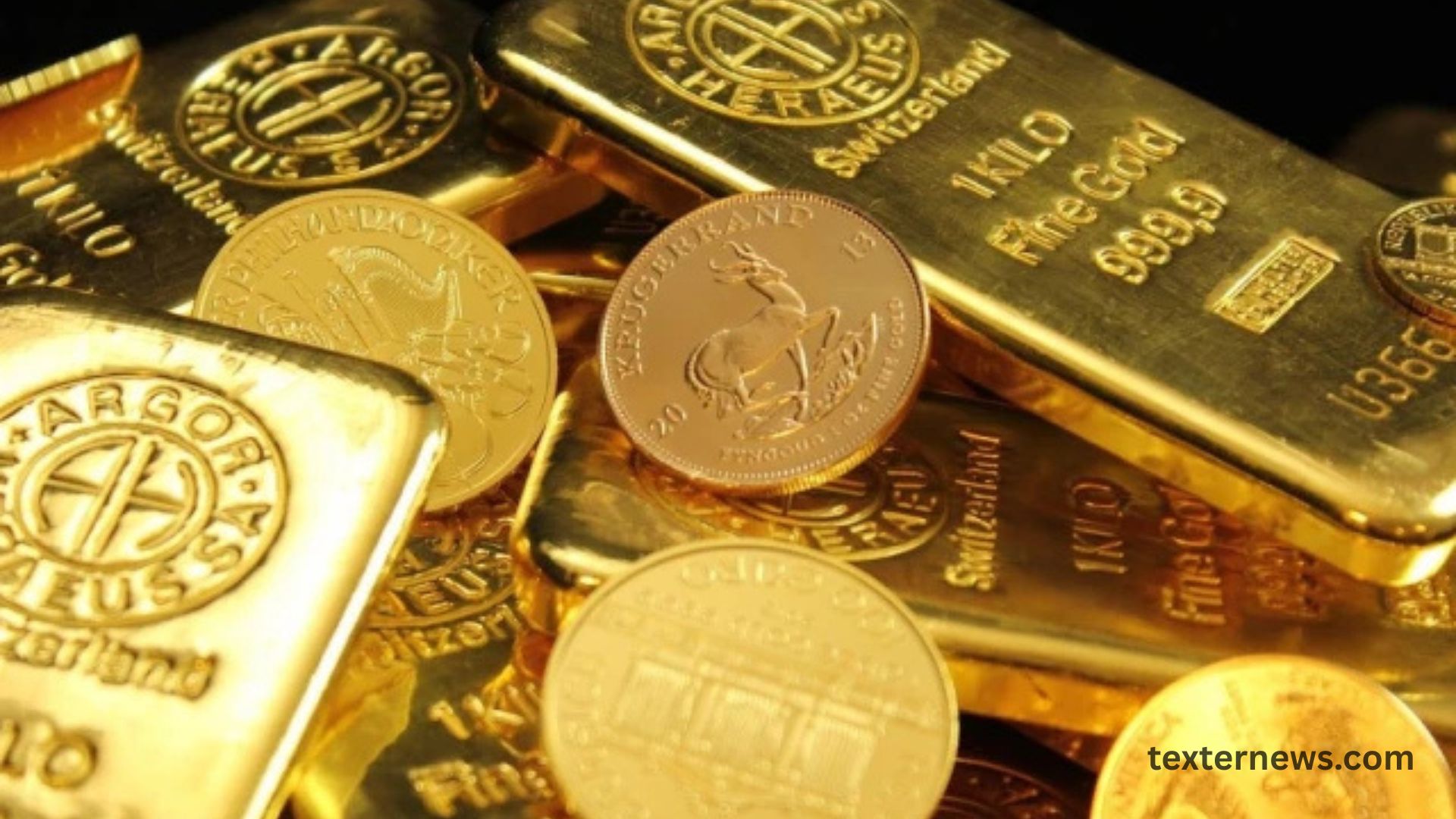
Gold prices have surged dramatically, rising by Rs15,700 in response to the recent US-Iran truce announcement, marking a significant shift in global markets. Investors and traders have closely monitored the geopolitical developments, as easing tensions between the two nations have triggered renewed confidence in commodity markets. Gold, traditionally seen as a safe-haven asset during uncertain times, responded swiftly, reflecting both the relief over diplomatic progress and anticipation of potential market stabilization. This sudden surge highlights gold’s continued role as a key indicator of global economic sentiment.
The jump in gold prices also underscores the interplay between international diplomacy and local markets. Analysts point out that even small geopolitical improvements can produce large ripple effects across commodities. This article provides a comprehensive review of the gold market’s reaction, the factors driving the surge, historical comparisons, expert insights, and what investors should consider moving forward. It serves as a guide for understanding the implications of the US-Iran truce on both global and domestic gold trading.
Gold Market Reaction to the US-Iran Truce
The US-Iran truce has been hailed as a pivotal development in international relations, immediately influencing commodity markets. Gold prices, which had been fluctuating amid previous tensions, experienced a sharp upward movement as investors sought safe-haven assets. The surge of Rs15,700 reflects both optimism over reduced conflict risks and renewed confidence in market stability. Traders reported increased demand in both physical gold and futures contracts following the announcement, creating a ripple effect across exchanges.
Market experts note that gold often reacts inversely to political risk. When tensions rise, prices typically climb as uncertainty drives investors toward stable stores of value. Conversely, a truce or diplomatic breakthrough can stabilize markets, yet paradoxically can also trigger short-term price surges due to sudden shifts in sentiment. In this case, the US-Iran agreement acted as a catalyst, prompting a swift revaluation of gold assets in domestic and international markets.
Factors Driving the Gold Price Surge
Several factors contributed to the Rs15,700 surge in gold prices. Firstly, the geopolitical relief from the truce reduced immediate concerns about supply disruptions in global energy and commodity markets. Secondly, investor psychology played a crucial role. The sudden positive news encouraged speculative buying, particularly in emerging markets where gold is a culturally and economically significant asset.
Additionally, currency fluctuations impacted local gold prices. The relative weakening of the domestic currency against the US dollar amplified the rupee-denominated price of gold. Analysts also point out that institutional investors and hedge funds were quick to adjust their portfolios, boosting demand in futures markets. These combined factors led to a rapid escalation in gold prices, highlighting how interconnected geopolitics, currency markets, and investor behavior are in influencing commodity valuations.
Historical Perspective on Gold Price Movements
Looking at historical trends, gold has consistently shown sensitivity to geopolitical events. For instance, during past conflicts in the Middle East, gold prices saw similar sharp rises as investors sought stability. Comparatively, the current Rs15,700 jump is one of the most significant daily movements in recent years, rivaling spikes seen during previous US-Iran tensions.
Analysts emphasize that historical data provides context for understanding such surges. While gold often stabilizes after initial reactions, the long-term trajectory depends on continued diplomatic developments, economic indicators, and market confidence. Comparing this surge to past events also demonstrates the enduring relevance of gold as a hedge against uncertainty, particularly in regions affected by currency volatility and political risk.
Expert Insights on the Surge
Financial experts have weighed in on the gold market reaction. According to commodity strategist Dr. Imran Shah, “The US-Iran truce has provided a short-term boost to gold prices, reflecting renewed investor confidence. However, sustained growth will depend on broader economic indicators and the stability of the truce.”
Similarly, market analyst Ayesha Khan noted, “Investors are using this opportunity to rebalance portfolios, taking advantage of the surge while assessing long-term geopolitical risks. Gold continues to serve as both a safe haven and a speculative tool.” Such insights emphasize that while the Rs15,700 increase is significant, market participants are considering both immediate and future implications for trading strategies and investment decisions.
Impact on Domestic and International Markets
The domestic gold market responded swiftly to the truce, with jewelers, traders, and investors adjusting prices in line with international benchmarks. Retail demand rose as individuals sought to capitalize on rising prices, while institutional buyers recalibrated investment portfolios.
Internationally, the truce reduced volatility in oil and commodities markets, indirectly influencing gold prices. With Iran being a major energy player, reduced tension lessened fears of supply disruption, which in turn stabilized associated commodity markets. The interplay between geopolitical events, commodity prices, and investor sentiment demonstrates the complex dynamics driving gold prices in both domestic and international contexts.
Investment Considerations for Gold Buyers
For potential investors, understanding the implications of the Rs15,700 surge is crucial. Firstly, timing is essential. While immediate gains are tempting, analysts recommend considering long-term trends and potential market corrections. Diversification remains a key strategy, with gold forming part of a balanced portfolio alongside equities, bonds, and other assets.
Furthermore, currency fluctuations should be factored in. The rupee-denominated price of gold is influenced by both the US dollar and domestic economic factors. Investors should monitor central bank policies, inflation rates, and interest rate changes, as these macroeconomic elements significantly affect gold valuations.
Comparisons with Other Commodities
While gold surged sharply, other commodities responded differently to the US-Iran truce. Crude oil prices saw a modest rise due to reduced geopolitical uncertainty, whereas silver and platinum experienced smaller fluctuations. Gold’s dramatic increase highlights its unique role as a safe-haven asset, particularly in emerging markets where it is both a cultural and financial store of value.
Historically, gold reacts faster and more significantly than other metals to geopolitical news, underlining its central role in global commodity markets. Analysts continue to track the relationships between gold, oil, and currency movements to predict potential trends in upcoming weeks and months.
Potential Risks and Market Volatility
Despite the surge, there are potential risks. The sustainability of the US-Iran truce remains uncertain, and renewed tensions could reverse gains quickly. Speculative trading may lead to short-term volatility, affecting both retail and institutional investors.
Additionally, broader economic factors, including inflation, interest rate adjustments, and global market sentiment, can influence gold prices. Investors are advised to remain cautious and consider hedging strategies to protect against sudden reversals. Understanding these risks ensures informed decisions and reduces exposure to unnecessary market fluctuations.
Read More: Stocks Tumble on PSX Following Sudden Fuel Price Shock
Future Outlook for Gold Prices
Looking ahead, analysts predict a moderate stabilization of gold prices after the initial surge. Continued monitoring of geopolitical developments, US-Iran relations, and domestic economic indicators will guide market movements. Investors may anticipate further gains if the truce leads to sustained peace and economic confidence. Conversely, renewed uncertainty could introduce volatility, reaffirming gold’s role as a hedge against risk.
The Rs15,700 jump serves as a reminder of how closely global events impact commodity prices, and why gold remains a vital component of investment strategies, especially in emerging markets sensitive to political and currency fluctuations.
Why did gold prices jump Rs15,700 recently?
Gold surged due to the US-Iran truce, boosting investor confidence and prompting safe-haven buying.
How does the US-Iran truce affect gold markets?
Easing geopolitical tensions encourages investment in gold, driving domestic and international price increases.
Is this gold price surge likely to continue?
Future trends depend on sustained peace, market sentiment, and economic factors such as inflation and currency fluctuations.
How does gold react to geopolitical events?
Gold typically rises as a safe-haven asset during uncertainty and can spike sharply with diplomatic breakthroughs.
What should investors consider after the Rs15,700 surge?
Timing, diversification, currency impact, and potential volatility are crucial for informed investment decisions.
Did other commodities react to the truce?
Crude oil saw a modest rise, while silver and platinum experienced smaller fluctuations compared to gold.
Why is gold considered a safe-haven asset?
Gold retains value during economic or political uncertainty, protecting investments against market volatility.
What is the impact on domestic gold markets in Pakistan?
Retail demand surged, traders adjusted prices, and jewelers reported increased activity following the price jump.
Conclusion:
The recent surge in gold prices by Rs15,700 following the US-Iran truce highlights the intricate relationship between geopolitics, market sentiment, and investor behavior. Gold’s reaction demonstrates its enduring status as a safe-haven asset and a barometer of confidence during periods of uncertainty. For investors and market participants, this development underscores the importance of strategic timing, market awareness, and a diversified approach. While the surge is substantial, future trends will depend on sustained diplomatic progress and broader economic factors. 2026 continues to reaffirm gold’s pivotal role in both domestic and international financial markets, making it a critical consideration for anyone involved in commodities or long-term investment planning.
