

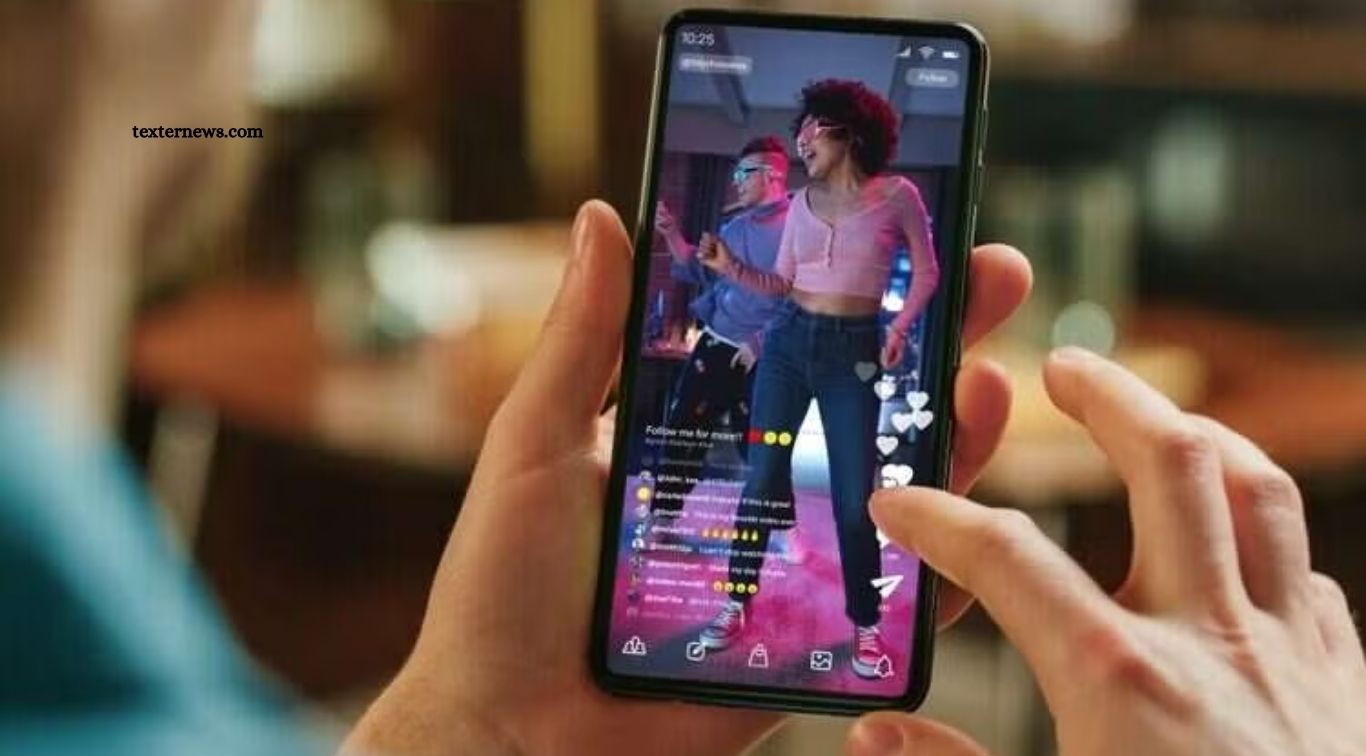
Social media has become one of the fastest ways for people to discover, discuss, and share breaking news. From international developments and technology updates to business, entertainment, sports,
And unusual stories, major events can reach millions of users within minutes. In 2026, billions of people use social platforms regularly, making social media a major source of news discovery and public conversation.
Read More: Global Events That Are Shaping the Future
What Makes News Highly Shareable?
News becomes highly shareable when it creates curiosity, emotion, surprise, or strong public interest. Breaking events, major announcements, viral videos, celebrity updates, technology launches, and important global developments often receive rapid engagement.
Short headlines and visual content also make stories easier to consume. A single video, image, or short post can attract attention before users read a complete article.
Global News Driving Social Media Conversations
International conflicts and geopolitical developments are among the major subjects generating online discussion today. Renewed military exchanges between the United States and Iran have become a major global story, with reports describing missile, drone, and airstrike activity across the region.
Such developments typically generate substantial social media activity because users follow live updates, reactions, analysis, and video reports from multiple sources. However, rapidly developing stories also require careful verification because early social media posts can contain incomplete or inaccurate information.
Technology and AI News
Technology continues to dominate social media conversations. Artificial intelligence, new digital products, cybersecurity, data centers, and major technology companies regularly generate viral discussions.
One current topic receiving attention is the growing debate around data centers. Increasing demand for AI services has created concerns about electricity consumption, water usage, infrastructure, and environmental impact.
Technology stories are particularly shareable because they can affect businesses, consumers, creators, and everyday digital experiences.
Business and Financial Stories
Financial news can quickly spread across social platforms when markets experience significant movements. Renewed tensions in the Middle East have contributed to higher oil prices and increased market volatility, while Asian stocks and global bond markets have faced pressure.
Investors and business audiences often share market updates because financial developments can influence energy prices, currencies, stocks, cryptocurrencies, and broader economic expectations.
Why Breaking News Spreads So Quickly
Social media platforms are designed for rapid content distribution. Users can repost, comment, quote, or share information with their own networks within seconds.
Several factors contribute to viral news:
Emotional Reactions
Stories that create excitement, concern, surprise, anger, or inspiration often receive stronger engagement.
Visual Content
Photos, short videos, graphics, and livestreams can communicate information quickly and attract attention while users scroll.
Breaking Developments
People naturally want to know what is happening right now. Breaking news can therefore generate thousands of posts before traditional news reports have fully developed.
Influencer Discussions
Popular creators and public figures can introduce news stories to audiences that may not regularly follow traditional news organizations.
Social Media Is Becoming a Major News Source
The relationship between social media and news consumption continues to grow. Pew Research Center reported that one in five U.S. adults regularly gets news from TikTok, representing a major increase compared with 2020.
This shift means news organizations, independent creators, and ordinary users can all contribute to public conversations. At the same time, audiences need stronger media-literacy habits because viral content is not automatically accurate.
How to Verify Viral News
Before sharing a trending story, users should check the source, publication date, supporting evidence, and confirmation from reliable news organizations.
A useful approach is to compare several reputable sources rather than relying on a single social media post. This becomes especially important during breaking events, when misleading images, old videos, edited clips, and unverified claims can spread quickly.
The Future of Social Media News
Social media will continue influencing how people discover and discuss current events. Short-form videos, personalized feeds, AI-powered recommendations, livestreams, and creator-driven reporting will likely make news consumption even faster.
However, speed should not replace accuracy. The most valuable news platforms will be those that combine quick reporting with credible sources, clear context, and responsible fact-checking.
Frequently Asked Questions
What news is most shared on social media?
Breaking news, technology, sports, entertainment, and major global events.
Why does news go viral?
Emotional, surprising, and timely stories attract more attention and shares.
Is viral news always reliable?
No. Always verify viral stories through trusted sources.
How quickly can news spread?
Important stories can reach millions of users within minutes.
How can I verify trending news?
Check the original source and compare reports from trusted news outlets.
Why is social media important for news?
It provides fast access to updates and enables instant sharing.
Conclusion
Today’s most shared news reflects the subjects people care about most, from global conflicts and financial markets to artificial intelligence, technology, and viral developments. Social media makes information accessible within seconds, but users should always verify important claims before sharing them. Responsible news consumption helps audiences stay informed while reducing the spread of misinformation.

1 Comment
Pingback: Breaking International News You Should Know - TexterNews