

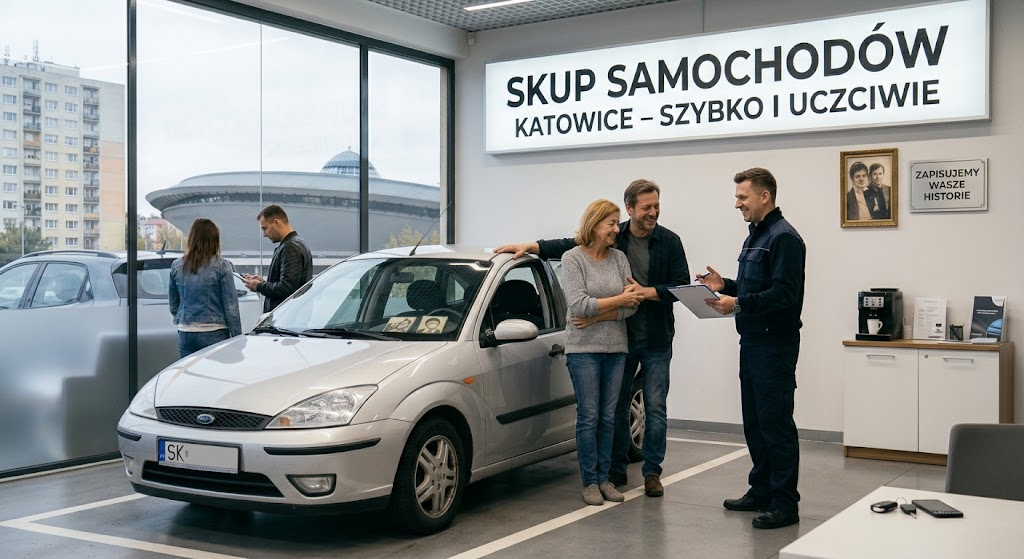
Inheriting a car from a family member can be both an emotional experience and a practical challenge. Along with memories associated with the vehicle, a new owner may inherit responsibilities such as insurance, maintenance, registration formalities, and decisions about its future. If the car is no longer needed, selling it can be a sensible way to simplify these responsibilities.
However, an inherited vehicle may require additional preparation before it can legally be sold. Ownership documents must be reviewed, the rights of other heirs may need to be clarified, and the car’s condition should be assessed before negotiating a price. Understanding these steps can help residents of Katowice make informed decisions and avoid unnecessary complications.
1. Confirm Who Has the Right to Sell the Vehicle
The first step is to establish the legal ownership of the inherited car. Possessing the keys or having access to the vehicle does not automatically mean that a person can sell it.
The process may depend on whether the deceased person left a will, whether inheritance proceedings have been completed, and whether the vehicle belongs to one heir or several people. In some circumstances, formal documentation confirming the inheritance may be necessary before the sale can proceed.
When multiple family members inherit the same vehicle, communication is particularly important. One person may want to keep the car, while another may prefer to sell it. Agreeing on the decision and clarifying who is authorised to sign the sale agreement can prevent disagreements later.
If the ownership situation is uncertain, consult a qualified legal professional or the relevant Polish authority before accepting an offer.
2. Gather the Necessary Vehicle Documents
Having the appropriate documents ready can make the selling process more straightforward. Start by locating the vehicle registration certificate, available proof of ownership, keys, and any paperwork related to the inheritance.
Depending on the circumstances, the buyer may request documents confirming that the seller has the legal authority to transfer the vehicle. If the car belonged to an estate that has not yet been formally settled, additional steps may be required.
It is also worth checking whether the vehicle has any outstanding financial obligations. A loan, leasing agreement, or other restriction could affect the seller’s ability to transfer ownership.
Prepare identification and company or representative authorisation documents if they are applicable to your situation. Since requirements can differ, confirm the exact documentation needed before scheduling the final transaction.
Keeping copies of the paperwork and maintaining an organised record of the sale can also be useful for future administrative questions.
3. Decide Whether Selling Is the Best Option
Not every inherited vehicle needs to be sold immediately. Before making a decision, consider the car’s condition, running costs, market value, and usefulness to your household.
A newer vehicle with a reliable service history may be worth keeping or selling through a private advertisement. An older car with recurring mechanical problems, however, may require expensive repairs that are difficult to justify.
Calculate the likely costs of insurance, maintenance, parking, inspection, and necessary repairs. Compare these expenses with the benefits of retaining the vehicle.
Emotional considerations also matter. Some people keep an inherited car because it has sentimental value, while others prefer to sell it and use the proceeds for other family needs.
There is no universally correct decision. The goal is to choose an option that fits your financial circumstances, personal preferences, and the vehicle’s actual condition.
4. Explore Professional Car-Buying Services in Katowice
Selling a car privately can involve considerable effort. The owner may need to prepare advertisements, respond to messages, arrange viewings, negotiate with buyers, and handle repeated inquiries from people who are not ready to purchase.
A professional car-buying service can provide an alternative. Depending on its purchasing policy, it may consider vehicles of different ages, brands, mileage levels, and technical conditions.
People searching for skup samochodów Katowice can contact local services to ask whether they purchase inherited vehicles and what documents they require. Explain the ownership situation clearly from the beginning so that the buyer can identify any issues that need to be resolved before the transaction.
Some services may also consider cars that have been unused for a long period or require repairs. If the inherited vehicle is not roadworthy, ask whether collection is available and whether transportation involves an additional fee.
Always review the offer and the written terms before deciding to proceed.
5. Understand What Determines the Vehicle’s Value
A realistic price estimate helps the seller evaluate offers more confidently. The value of an inherited car depends on several factors, including its make, model, age, mileage, engine, equipment, service history, and overall condition.
Begin by researching comparable vehicles advertised in Poland. Compare cars with similar specifications and mileage rather than relying on the highest advertised price.
Next, examine the car’s physical and mechanical condition. Bodywork damage, worn tyres, warning lights, missing service records, or mechanical faults may influence the amount a buyer is willing to pay.
If the car has remained unused for months, its battery, brakes, tyres, and fluids may need attention. These factors should be considered before spending money on repairs.
You can request valuations from multiple buyers to understand the range of possible offers. Remember that an advertised retail price and a professional purchase offer may differ because a buyer may account for collection, repairs, preparation, and resale costs.
6. Prepare the Car for Inspection
Before arranging an inspection, remove personal belongings and check the interior compartments, boot, and glove box. An inherited vehicle may contain documents, accessories, or personal items that belonged to the previous owner.
Collect any available maintenance records, inspection documents, spare keys, and information about recent repairs. A documented service history can help a potential buyer understand how the car has been maintained.
Cleaning the vehicle is worthwhile because it makes the inspection easier. However, expensive detailing or cosmetic repairs are not always necessary, particularly if the car is old or has significant mechanical problems.
Be transparent about known defects. Explain any starting difficulties, accident damage, warning lights, or systems that do not work correctly. Accurate information can reduce misunderstandings and make negotiations more productive.
7. Compare Offers and Choose a Trustworthy Buyer
The first offer may not be the most suitable one. If time allows, contact several potential buyers and compare their prices and conditions.
Ask whether an offer is preliminary or final, whether the vehicle must be inspected in person, and how payment will be completed. If collection is required, clarify the date, location, and any associated charges.
Check the buyer’s business details and available customer reviews. Avoid accepting vague promises or signing an agreement that contains incomplete information.
The sale agreement should accurately identify the vehicle, seller, buyer, agreed price, and handover arrangements. Make sure the person completing the transaction has the legal authority to do so.
A transparent process is particularly important when selling inherited property because other heirs or estate-related matters may need to be documented.
8. Complete the Transfer and Administrative Formalities
Once the offer is accepted, document the payment and handover carefully. Keep a signed copy of the sale agreement and proof of payment in a safe place.
The parties should follow the applicable Polish requirements for ownership transfer, registration notifications, and vehicle insurance. Confirm current procedures and deadlines with the relevant authorities and insurer rather than relying on assumptions.
If the car was inherited through an estate, retain the inheritance documentation alongside the sale records. This can help explain the transaction if administrative or financial questions arise later.
Where tax obligations or complicated inheritance arrangements are involved, seek advice from a qualified accountant or legal professional.
Conclusion
Selling an inherited car requires careful preparation, particularly when ownership documents, multiple heirs, or outstanding obligations are involved. By confirming the legal right to sell, organising paperwork, evaluating the vehicle’s condition, and comparing offers, the process can become more manageable.
For people in Katowice, skup samochodów Katowice services may offer a convenient option for selling a vehicle without managing every stage of a private advertisement. The best approach is to choose a reputable buyer, understand the terms, and complete all required formalities before handing over the car.
With a clear plan and accurate documentation, an inherited vehicle can be sold responsibly, allowing the new owner to move forward without unnecessary delays or administrative stress.
