

A fine off-road journey might be ruined by becoming trapped on a muddy route, rocky incline, or sandy track. When your vehicle can’t move, a winch can help. Selecting one goes beyond choosing the highest pulling capacity. Your 4WD’s weight, terrain, and recovery expectations matter.
Understanding your vehicle and usage will help you compare open road winches. A winch designed for a light SUV may not work for a truck laden with camping goods and recovery gear.
Choose an Off-Road Winch With Enough Capacity
When choosing an off-road winch, pull capacity is most important. Starting with a winch rated at 1.5 times your vehicle’s gross weight is typical. This advice is not guaranteed because steep slopes, deep muck, sand, and other tough circumstances might increase recovery force.
Calculate your vehicle’s weight with passengers, gasoline, extras, and cargo. Consider your rooftop tent, tools, water, and other camping gear before making a decision.
A fully loaded 4WD weighing 6,000 pounds would have a starting winch-capacity aim of roughly 9,000 pounds. Hard recoveries may demand more capacity or a well-built pulley system. Remember that a winch’s rated pulling force is strongest on the drum’s first layer of cable or rope and diminishes with each layer.
Compare Open Road Winches by Motor and Rope
Not all open road winches have the same power, controls, and rope construction. To understand how the equipment will perform during a recovery, look beyond the capacity on the product description.
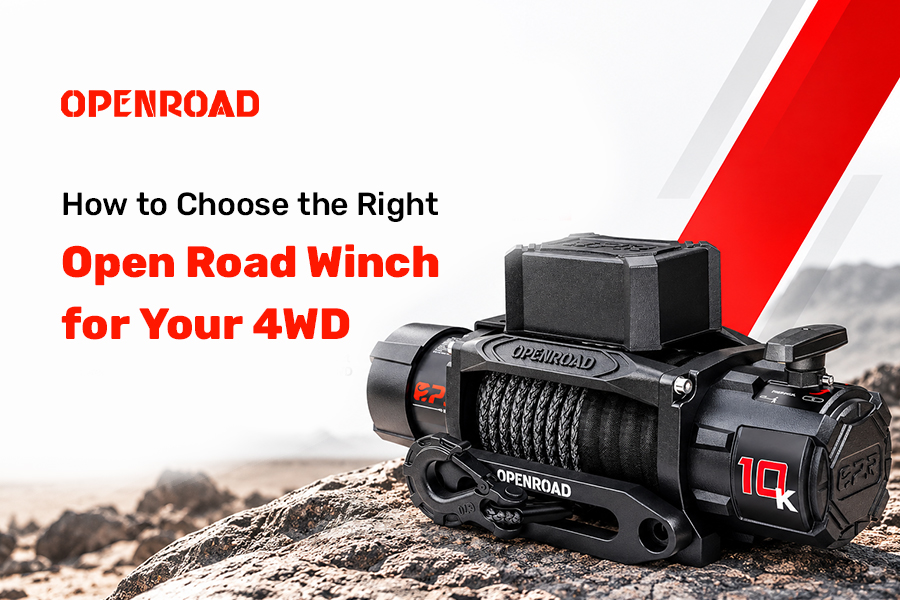
Panther winches from OPENROAD feature a 13,500-pound variant with a 6.6 HP motor, synthetic rope, wireless remote control, and IP68 protection. The brand offers a 12,000-pound Panther 3S and other recovery winches.
Drivers who want lightweight recovery equipment prefer synthetic ropes over steel cables. Steel cable is heavier and requires careful handling, yet it can handle demanding applications. Whatever you select, inspect the rope regularly and follow the manufacturer’s cleaning, storing, and replacement instructions.
Pulling capacity, motor power, electrical needs, remote-control range, mounting dimensions, and protection rating should be considered.
Match Your Open Road Winch to Your Vehicle
Safe usage of a winch requires adequate 4WD fit. Mounting plate, bumper compatibility, bolt pattern, fairlead opening, and front car space should be checked. Check if the mounting structure can sustain winching.
Electrical compatibility important too. The manufacturer requires the vehicle’s battery, charging system, cabling, and grounding to support the winch. Overheating and unreliability can result from poor connections or undersized wiring.
Check model details and fitment before ordering an open road winch. A high-capacity winch is useless if it cannot be placed or powered properly.
Consider Your Typical Off-Road Conditions
Your typical driving conditions can reduce the options. As tires lose grip on muddy woodland paths, drivers may encounter resistance. Sand can be problematic, and rocky paths may demand cautious placement and controlled recovery rather than maximum pulling force.
Simple controls and easy installation may be preferred for occasional trail use. For regular overlanding, durability, rope maintenance, electrical setup, and recovery equipment are important.
A recovery tool, an off-road winch, does not replace good driving judgment. Before recovering, evaluate the terrain and don’t overuse a winch.
Pair Your Winch With the Right Recovery Gear
Winches operate well in well-planned recovery kits. Prepare for various eventualities with a tree-saver strap, soft shackles, gloves, and a recovery point. OPENROAD Panther Series 3S packages include recovery accessories and receiver-hitch mounting equipment, depending on configuration.
Remember that every component must be load-rated. Avoid connecting a winch line to an inadequate bumper, tow ball, or anchor point. Keep spectators away from the line, use a winch damper, and follow manufacturer recovery instructions. Before trying a difficult trail recovery, get help if you’re inexperienced.
Do Offroad Tents Affect Winch Selection?
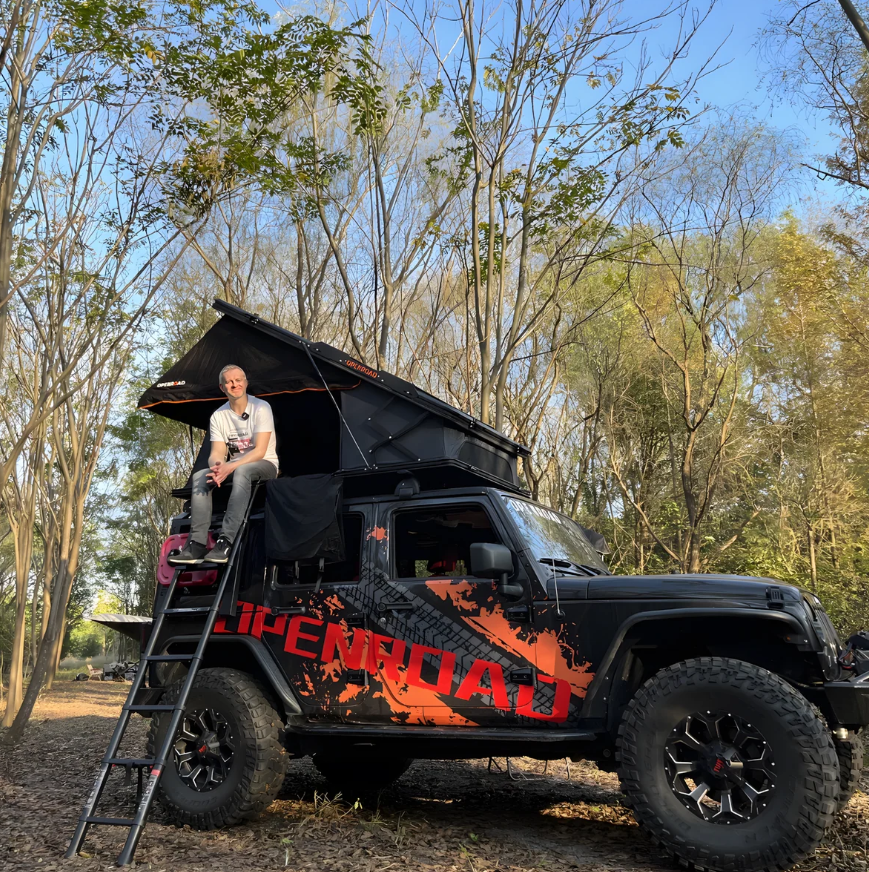
Include the weight of your off-road tent or other overlanding gear when determining your vehicle’s fully loaded weight. On long excursions, rooftop tents, awnings, water tanks, and storage items can add significant weight.
Picking off-road tents and recovery gear together requires the same care. Before adding gear, check roof-load restrictions, mounting compatibility, and vehicle payload. Balanced setups keep recovery equipment accessible and don’t exceed manufacturer limits.
Find the Right Open Road Winch for Your Next Trip
A winch that suits your vehicle’s loaded weight, mounting arrangement, electrical system, and recovery conditions is optimal. Instead of choosing one feature, compare pulling capability, motor specs, rope type, controls, and accessories.
Openroad4wd offers Panther Series 3S 12,000-pound and 13,500-pound synthetic-rope winches for 4WD builders to evaluate combinations. Before buying, check the OPENROAD winch collection requirements for compatibility.
A little planning now can help on an unexpected trail. Choose wisely, learn safe recovery skills, and pack gear for your travels.
