

Introduction
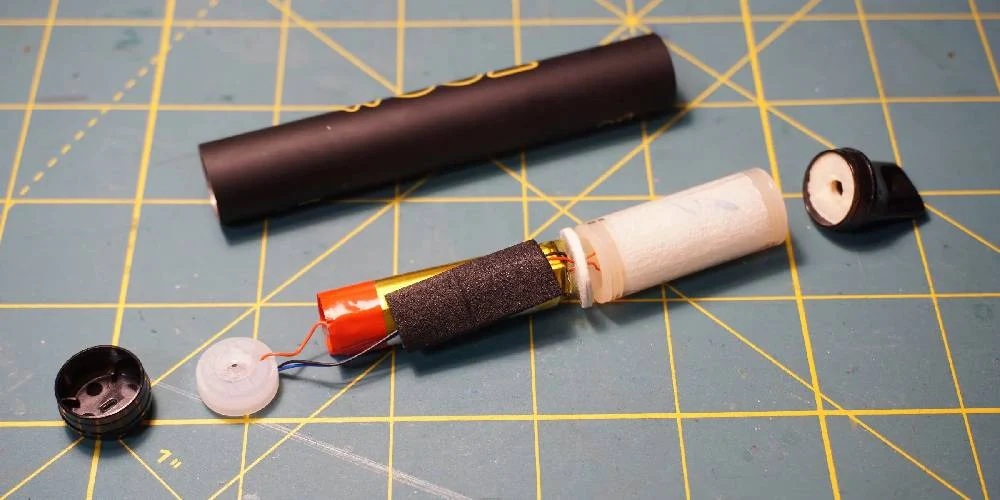
Disposable vapes are electronic devices designed to heat e-liquid and produce an inhalable aerosol. Their compact design, built-in battery, heating coil, and liquid reservoir make them different from traditional reusable vaping systems. But have you ever wondered how these small electronic devices are manufactured before they reach retail stores?
The manufacturing process involves several stages, including product design, component selection, battery assembly, heating system installation, e-liquid filling, quality testing, and packaging. Each stage requires attention to product consistency, electrical safety, and manufacturing standards.
Devices such as the Tornado 15K vape provide a useful example of how modern disposable vape designs combine multiple components in one compact unit. Although exact manufacturing methods vary by brand and model, the underlying production principles are broadly similar across many disposable electronic nicotine delivery systems.
This guide explains how disposable vapes are manufactured, which components are involved, how quality control works, and what manufacturers need to consider when producing these devices.
What Is a Disposable Vape?
A disposable vape is a compact electronic device that generally contains a battery, heating element, e-liquid reservoir, airflow system, and electronic controls. Many models are designed to be discarded when their usable e-liquid or battery capacity is exhausted.
Some newer devices include rechargeable batteries, digital displays, adjustable settings, or other electronic features. These additions can make the manufacturing process more complex because manufacturers must integrate extra components into a limited space.
The Tornado 15K vape is an example of a product positioned within the high-puff-count disposable vape category. Its product name indicates a claimed puff-count class, not a guarantee that every user will obtain exactly that number of puffs. Actual performance depends on device design, usage patterns, battery capacity, and other factors.
Understanding how these products are assembled helps explain why engineering, materials selection, and testing are important parts of disposable vape production.
1. Product Design and Engineering
The manufacturing process begins with product planning and engineering. Before a production line can assemble a device, designers must determine its dimensions, internal layout, electrical requirements, airflow characteristics, and intended operating conditions.
Engineers consider several factors:
- Device dimensions: The housing must accommodate the battery, reservoir, heating element, and control components.
- Battery capacity: The power system must be compatible with the device’s electrical requirements.
- Airflow design: Air must pass through the device in a controlled manner.
- Material selection: Internal and external materials must be suitable for their intended functions.
- Product durability: The device must withstand expected handling and transportation conditions.
Computer-aided design (CAD) software is commonly used to develop product layouts and identify potential assembly problems before manufacturing begins.
For a product such as the Tornado 15K vape, the engineering challenge is to integrate the required components into a compact housing while maintaining consistent operation. Specific internal specifications should be confirmed through reliable manufacturer documentation rather than inferred from the product name.
2. Selecting Materials and Components
Once the design has been established, manufacturers source the materials and electronic components needed for production. Supplier selection is important because inconsistent components can affect reliability, product performance, and safety.
The main components of a typical disposable vape include:
Outer casing
The outer casing protects the internal components and gives the device its shape. Depending on the design, manufacturers may use suitable plastics, metal parts, or a combination of materials.
The casing must provide adequate structural protection while allowing the mouthpiece, airflow openings, charging port, or display to function as intended.
Battery
The battery supplies electrical energy to the heating element and control circuitry. Many disposable vapes use rechargeable or non-rechargeable lithium-based battery systems, depending on the product design.
Battery quality, insulation, electrical connections, and protection against short circuits are important considerations during production.
Heating element
The heating element converts electrical energy into heat. It is commonly incorporated into an atomizer assembly designed to transfer heat to the e-liquid.
The heating system must operate within its intended electrical and thermal limits.
E-liquid reservoir
The reservoir holds the liquid used by the device. Its design must help prevent leakage and provide a suitable path for liquid to reach the heating assembly.
Electronic control components
Depending on the model, the device may contain a control board, airflow sensor, indicator lights, display, or other electronic components.
Each component must be compatible with the overall design and meet the relevant quality requirements.
3. Manufacturing the Outer Housing
The outer housing is produced according to the device’s design specifications. For plastic components, manufacturers may use injection molding, a process in which heated plastic material is shaped inside a mold.
After the material cools, the molded part is removed and inspected for defects such as cracks, incomplete formation, or dimensional inconsistencies.
Some designs also require additional steps to create openings for the mouthpiece, airflow channels, charging connections, or display screens.
The housing is then prepared for assembly. Manufacturers may inspect dimensions, surface quality, and fit to ensure that the internal components can be installed correctly.
A well-designed housing is important because it protects the electronics, supports the internal structure, and helps prevent unwanted exposure to liquid or electrical components.
4. Assembling the Battery and Electronic System
The battery and electronic system form the power and control section of a disposable vape.
During assembly, the battery is positioned within its designated compartment and connected to the appropriate electrical components. Depending on the design, a control board may regulate power delivery, respond to an airflow sensor, or operate display indicators.
Automated equipment can help manufacturers position components consistently, while trained technicians and inspection systems check the quality of electrical connections.
Important quality checks may include:
- Verification of battery specifications.
- Inspection of electrical connections and insulation.
- Testing for short circuits and unintended current flow.
- Confirmation that control components respond as intended.
- Assessment of battery protection features.
Lithium-based batteries require particular care during manufacturing, storage, and transportation. Physical damage, incorrect connections, or unsuitable charging conditions can create serious hazards.
For rechargeable models, charging circuitry and charging-port integration introduce additional design and testing requirements.
5. Installing the Heating Element and Airflow System
The next stage involves integrating the heating assembly and airflow pathway.
When a user draws on a compatible device, an airflow sensor or another activation mechanism may signal the electronics to supply power to the heating element. The element heats the e-liquid delivered to it, creating an aerosol.
The heating assembly commonly includes a coil or other resistive heating structure and a material that helps transfer liquid toward the heated surface.
Manufacturers must ensure that these components fit correctly and that the airflow pathway is not obstructed by assembly defects.
The airflow system also needs to be consistent with the device’s intended design. Poorly fitted parts, blocked passages, or inconsistent component dimensions can affect performance.
For products in the high-puff-count category, including the Tornado 15K vape, the relationship between battery capacity, liquid delivery, heating performance, and airflow is especially relevant to the advertised product experience. However, the exact engineering specifications of an individual model should not be assumed without verified technical information.
6. Filling the E-Liquid Reservoir
After the relevant internal components are prepared, the reservoir is filled with the intended e-liquid using equipment appropriate for the product and manufacturing environment.
Commercial production may use controlled dispensing systems to maintain consistent fill volumes and reduce spills. Manufacturers must also consider liquid compatibility with the reservoir, seals, and other materials that contact the formulation.
E-liquid formulations can contain ingredients such as propylene glycol, vegetable glycerin, flavoring substances, and nicotine, although the exact composition varies by product. Some products are formulated without nicotine.
Manufacturing controls may include:
- Verification of ingredient identity and supplier documentation.
- Checks for formulation consistency.
- Monitoring of fill volumes.
- Inspection for leakage or contamination.
- Verification of applicable nicotine-content and labeling requirements.
The filling environment must be managed to minimize contamination and ensure that components remain suitable for their intended use.
Incorrect filling, poor sealing, or incompatible materials can contribute to leakage and inconsistent product performance. These risks make liquid handling and reservoir inspection important parts of the production process.
7. Sealing and Final Assembly
Once the battery, heating system, reservoir, and other internal parts are installed, the device is closed and secured.
Depending on the design, manufacturers may use snap-fit components, mechanical fasteners, ultrasonic welding, or other suitable joining methods. The chosen method must hold the housing together without damaging the internal electronics or creating unacceptable leakage risks.
During final assembly, the mouthpiece, outer casing, and any remaining electronic features are fitted into place.
If the product includes a display, charging port, or indicator lights, these features may receive additional checks.
The final device is then inspected for visible defects, incorrect component placement, loose parts, and other assembly problems.
Because disposable vapes contain both electronic components and liquid, the assembly process must account for electrical safety, liquid containment, and the integrity of the finished housing.
8. Quality Control and Product Testing
Quality control is one of the most important stages in disposable vape manufacturing. A device that looks complete may still contain electrical, mechanical, or liquid-containment defects.
Manufacturers may use a combination of automated inspection equipment, sampling procedures, laboratory analysis, and functional testing.
Common checks include:
Visual inspection: Staff or machine-vision systems look for cracks, damaged surfaces, missing components, and assembly defects.
Electrical testing: Equipment checks electrical continuity, power-system behavior, and relevant protection functions.
Leakage testing: Devices or representative samples are checked for unwanted e-liquid leakage.
Functional testing: Selected units are tested to confirm that the activation mechanism and heating system operate as intended.
Battery safety testing: Battery systems are assessed against applicable safety requirements.
Chemical and material testing: Where required, testing may examine e-liquid composition, material compatibility, or potential contaminants.
Testing methods vary by manufacturer, product type, and jurisdiction. Not every unit necessarily undergoes every laboratory test; some assessments are performed on representative samples or components.
For a high-puff-count product such as the Tornado 15K vape, advertised performance should be supported by appropriate testing if the manufacturer makes specific durability or puff-count claims. A product label alone does not establish independent verification of those claims.
9. Packaging, Labeling, and Distribution
After passing the required production checks, finished devices are prepared for packaging and distribution.
Packaging helps protect products from damage during storage and transportation. It may also provide product identification, batch information, instructions, warnings, and other legally required information.
Manufacturers and distributors need to ensure that packaging and labeling accurately reflect the product’s contents and intended market.
Depending on local law, requirements may cover nicotine warnings, minimum-age restrictions, ingredient disclosures, product registration, advertising, and child-resistant packaging. Rules differ substantially between countries and can change over time.
Products are then stored and transported under conditions appropriate for their batteries and other components.
Traceability is also important. Batch numbers and production records can help manufacturers investigate reported defects, identify affected products, and manage recalls when necessary.
10. Environmental Considerations in Disposable Vape Production
Disposable vapes create environmental challenges because they combine electronic components, batteries, plastics, metals, and residual e-liquid in a compact product.
Unlike a simple plastic item, a disposable vape cannot always be processed through ordinary household recycling systems. Its battery and mixed materials require suitable handling.
Manufacturers can reduce some environmental impacts by improving material efficiency, designing products for easier disassembly, reducing unnecessary packaging, and supporting appropriate collection and recycling programs.
Consumers should follow local waste-management guidance and avoid placing lithium-battery-containing devices in ordinary household rubbish or recycling bins when local rules prohibit it. Devices should not be dismantled or punctured because damaged batteries and residual liquid can pose safety risks.
The environmental impact of a disposable vape depends on its materials, manufacturing process, transportation, usage, and end-of-life management. Product-specific environmental claims should be supported by credible evidence.
What Factors Affect the Quality of a Disposable Vape?
Several factors influence the consistency and reliability of a finished product.
Component quality: Reliable batteries, heating assemblies, seals, and electronic parts help reduce manufacturing defects.
Assembly precision: Correct positioning and secure connections help the device operate as designed.
Liquid compatibility: Reservoir materials and seals must be suitable for contact with the e-liquid.
Testing procedures: Appropriate inspections help identify defects before products reach consumers.
Regulatory compliance: Accurate labeling, traceability, and relevant safety assessments support responsible manufacturing.
Storage and transportation: Suitable handling helps protect batteries and finished products from damage.
These factors apply broadly to disposable vape manufacturing, including products marketed under names such as Tornado 15K vape. Actual quality and performance depend on the particular product, its verified specifications, and the manufacturer’s controls.
Conclusion
Disposable vape manufacturing combines product engineering, materials selection, electronic assembly, e-liquid handling, quality testing, and packaging. Each stage contributes to the reliability and safety of the finished device.
From the outer housing to the battery, heating element, and liquid reservoir, manufacturers must ensure that the components work together within the product’s intended operating conditions. Testing, accurate labeling, and traceability are equally important.
The Tornado 15K vape illustrates the high-puff-count category in which several systems are integrated into a compact electronic device. However, specific manufacturing methods and technical specifications depend on the model and should be confirmed through reliable product documentation.
As the industry develops, battery safety, manufacturing consistency, environmental responsibility, and regulatory compliance will remain important considerations in the production of disposable vaping devices.
Frequently Asked Questions
1. What materials are used to manufacture disposable vapes?
Disposable vapes may contain plastic or metal housing materials, lithium-based batteries, electronic components, a heating element, liquid-contact materials, seals, and e-liquid. The exact materials vary by model.
2. Are disposable vapes manufactured by machines?
Many commercial manufacturers use automated machinery for tasks such as molding, component placement, liquid dispensing, and inspection. Human operators may supervise production, conduct inspections, and handle quality-control activities.
3. How is e-liquid added to disposable vapes?
Manufacturers generally use controlled filling equipment to introduce the specified amount of e-liquid into the device’s reservoir. They then inspect the product for fill consistency, contamination risks, and leakage.
4. How are disposable vapes tested before sale?
Testing may include visual inspection, electrical checks, leakage assessment, battery safety evaluation, functional testing, and chemical analysis where applicable. The specific tests depend on the product and relevant regulations.
5. What does 15K mean in Tornado 15K vape?
The term generally refers to a claimed puff-count category of approximately 15,000 puffs. Actual puff counts can vary with draw duration, usage patterns, device design, and other conditions. The label alone does not guarantee that number.
6. Are disposable vapes recyclable?
Some components can potentially be recovered through suitable electronic-waste and battery-recycling programs. However, the mixed materials and residual e-liquid make ordinary household recycling unsuitable in many locations. Follow local disposal guidance.
7. Why is quality control important in vape manufacturing?
Quality control helps identify problems such as damaged batteries, electrical faults, leaking reservoirs, incorrect assembly, and inaccurate labeling before products are distributed.
8. Do all disposable vapes use the same manufacturing process?
No. The general stages are similar, but manufacturing methods differ according to device design, battery type, heating system, electronic features, e-liquid formulation, and applicable regulations.
