

Living without the electricity grid no longer means sacrificing luxuries. The correct solar arrangement lets homeowners run vital appliances, keep equipment operating, and customize their electricity use. Well-designed off-grid solar electric systems combine solar panels, battery storage, and inverters to provide power.
Off-Grid Solar Electric System for Everyday Living
Grid-connected and off-grid installations work differently. Solar panels produce electricity during the day. The converter turns the energy into AC power, while batteries store electricity. This system allows homeowners more control over electricity generation and consumption.
SunGoldPower’s 20kW SGR-20K30E solar kit is ideal for high-power properties. It contains 32 bifacial 450W solar panels, two 10,000W split-phase inverters, and a lithium battery bank. The package contains mounting brackets, extension cables, breakers, and battery connection cables for system installation.
The 120V/240V split-phase output can power a variety of household circuits and devices, depending on system design and electrical compatibility.
Residential Solar Systems for Larger Energy Needs
Different homes have different electricity routines. One household may use numerous refrigerators, while another uses air conditioning, a well pump, workshop tools, or a home office. These discrepancies necessitate considering daily energy use and the maximum power equipment can draw.
Modern residential solar systems can let homeowners plan around these needs instead of estimating their electricity use. A 20kW inverter arrangement can power many appliances, but its output relies on their running loads, starting surges, and battery power.
List the appliances you use daily and which must run after dark before choosing a system. This simple test determines if your solar array, inverter capacity, and battery storage meet your household schedule.
Solar Power Kits for Home with Integrated Components
Selecting solar components requires strategy. Attention is needed for panel compatibility, battery voltage, inverter capacity, protective devices, and wiring. Integrated home solar power kits simplify the procedure by coordinating critical components.
SGR-20K30E has two 10kW inverters for 48V DC battery systems and 120V/240V AC output. Its bifacial N-type monocrystalline panels capture sunlight on their front surfaces and reflected light on their backs when site conditions allow. Panel placement, ground reflectivity, shading, and installation affect additional generation.
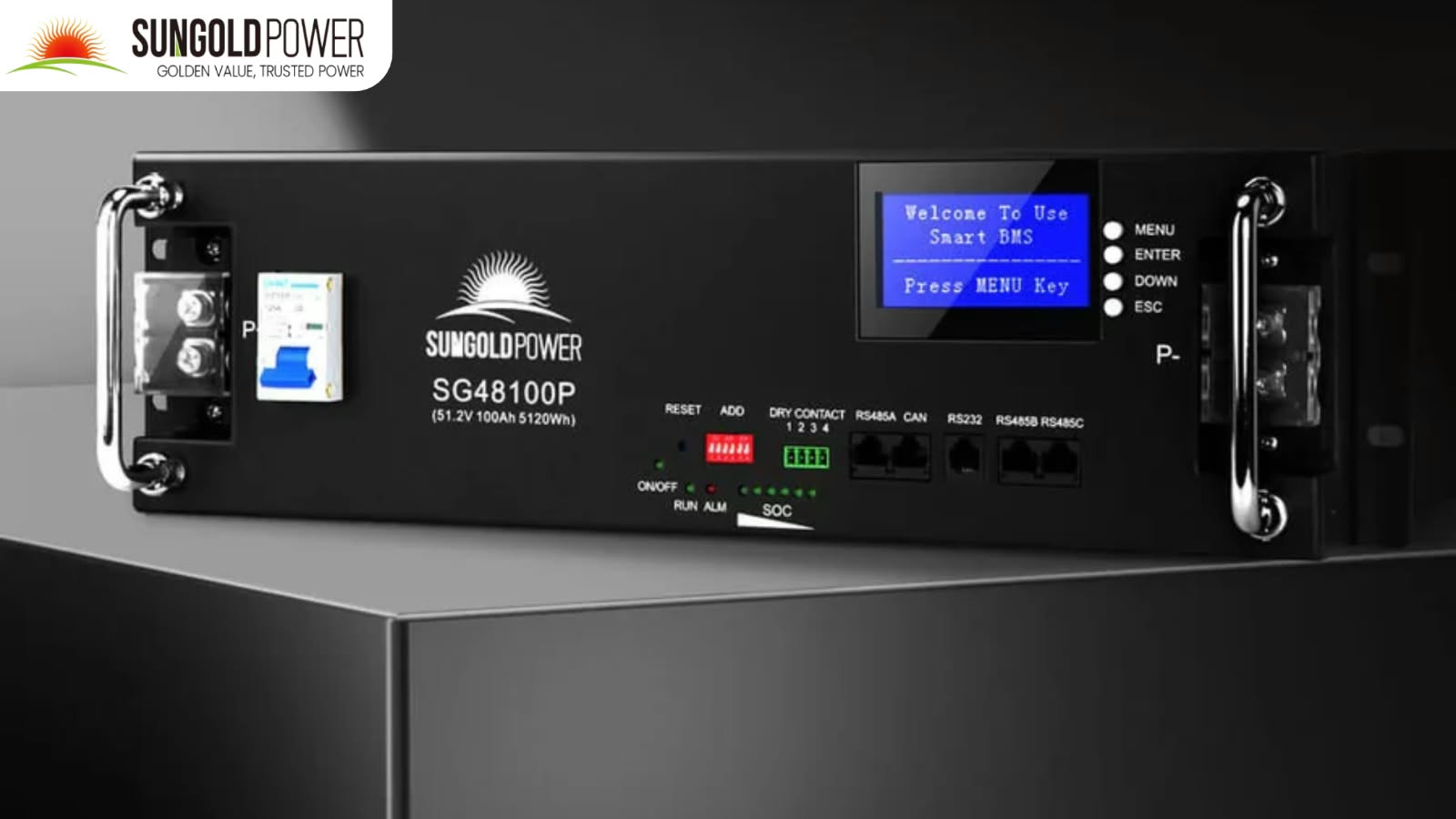
LiFePO4 batteries provide 30.72kWh of nominal capacity, although this product family offers other battery combinations. The household can take energy from the system based on battery capacity, while inverter capacity determines equipment power.
Battery Storage for Nighttime and Cloudy Days
Daytime solar generation varies. Cloudy weather can lower productivity, but afternoon sunlight can boost it. After nightfall, the panels stop generating electricity; thus, the home uses batteries or another power source.
For household energy systems, lithium iron phosphate (LiFePO4) batteries are viable. Consider how long important appliances must run without bright sunlight to plan battery use. Flexible loads like workshop tools may be ignored in favor of refrigeration, lighting, communication, and selected domestic circuits.
Usable battery capacity, inverter losses, appliance demand, and energy availability at backup time determine backup time. Good energy planning prevents battery drain in homes.
Expand Your Off-Grid Solar Electric System as Needs Change
A household’s energy needs can increase. Owners can build a workshop, increase their living area, or install additional electrical equipment. The SGR-20K30E inverter platform permits parallel expansion with compatible units, subject to manufacturer design constraints and installation requirements.
If the system design allows, more panels or batteries can boost generation or storage. However, enlargement requires careful inverter compatibility, battery communication, wiring, protection devices, and solar input capacity tests.
This kit helps homeowners build a large off-grid power system based on household needs. A reliable power plan can be created by reviewing appliance loads, local sunshine conditions, battery requirements, and installation needs before setup.
