

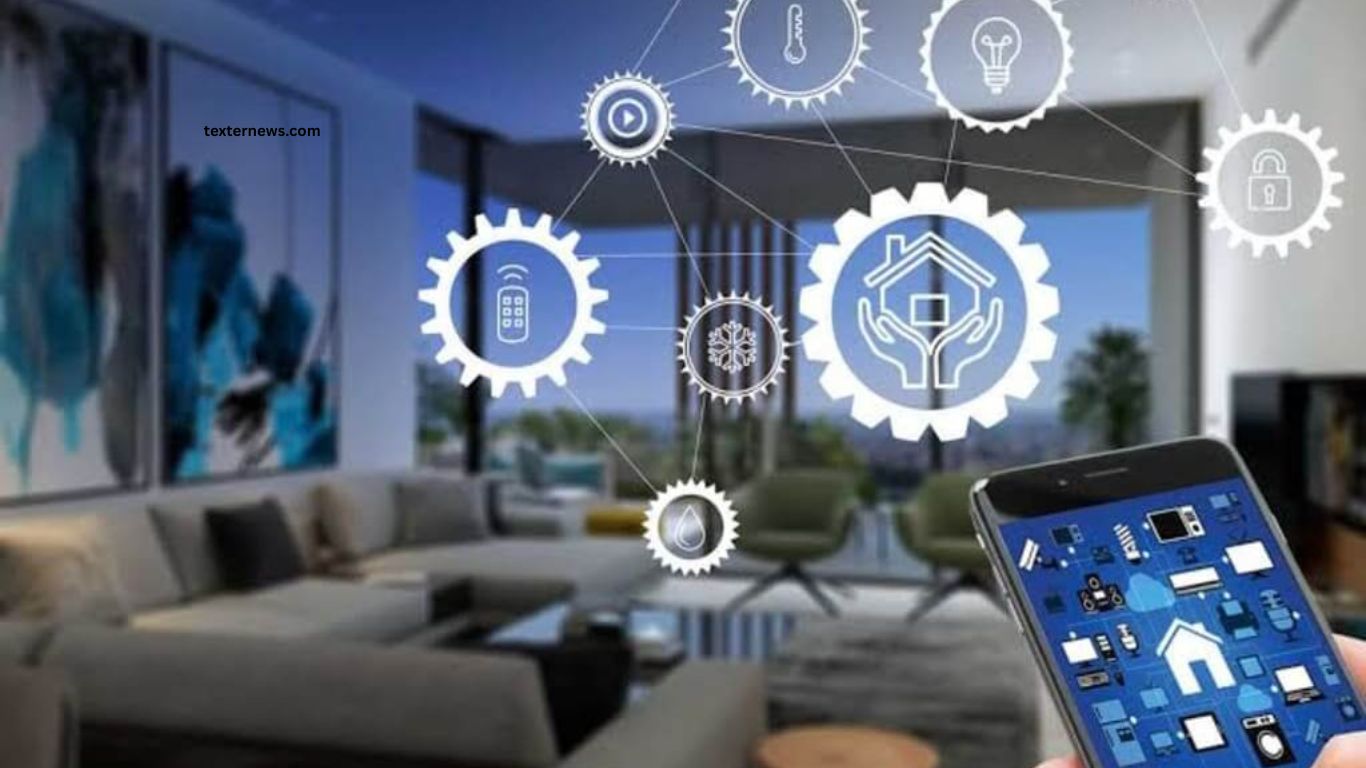
Smart devices have transformed daily life by bringing convenience, automation, and efficiency into homes, workplaces, and public spaces. From intelligent speakers and wearable fitness trackers to connected appliances and smart vehicles, technology continues to reshape how people interact with their surroundings. As innovation accelerates, connected ecosystems are becoming more intelligent, secure, and responsive.
The future of smart devices extends beyond simple automation. Artificial intelligence, faster wireless networks, edge computing, and advanced sensors are creating connected environments that learn user preferences and make decisions in real time. These developments promise greater comfort, productivity, sustainability, and personalized experiences across every aspect of modern living.
Read More: Top Digital Innovation Trends Every Business Should Know
Evolution of Smart Devices
Smart devices have evolved from standalone gadgets into fully connected systems capable of sharing information instantly. Early smart products focused on remote control and basic automation, while modern devices analyze data, predict user behavior, and deliver personalized services.
Manufacturers continue integrating artificial intelligence into smartphones, televisions, home assistants, wearable devices, and industrial equipment. This shift enables smarter decision-making while reducing manual effort for users.
Artificial Intelligence Driving Innovation
Artificial intelligence represents one of the biggest forces behind connected technology. Smart devices now recognize speech, understand images, monitor habits, and respond with impressive accuracy. AI-powered systems improve continuously by learning from user interactions.
Future devices will provide even more personalized recommendations, optimize energy consumption, strengthen security, and automate repetitive tasks. AI will also improve accessibility, helping people with disabilities interact more naturally with technology.
Internet of Things Creating Connected Ecosystems
The Internet of Things connects billions of devices through secure networks, allowing continuous communication and data sharing. Homes, offices, hospitals, factories, and transportation systems increasingly rely on IoT to improve efficiency and reduce operational costs.
Connected ecosystems allow lighting, heating, security cameras, appliances, and entertainment systems to work together automatically. Future IoT networks will become faster, more reliable, and capable of supporting even larger numbers of connected devices.
Smart Homes Becoming More Intelligent
Modern smart homes already offer voice-controlled lighting, automated climate control, remote security monitoring, and intelligent entertainment systems. Future homes will anticipate user needs before commands become necessary.
Advanced sensors will detect occupancy, monitor air quality, manage electricity usage, and improve household safety. Intelligent home systems will reduce energy waste while creating comfortable living environments tailored to individual preferences.
Wearable Technology Expanding Healthcare
Wearable technology continues growing beyond fitness tracking. Smartwatches, health bands, and medical monitoring devices now measure heart rate, blood oxygen, sleep quality, stress levels, and physical activity.
Future wearable devices will provide real-time health monitoring, early disease detection, remote patient care, and personalized wellness recommendations. Healthcare providers will benefit from continuous patient data that improves diagnosis and treatment decisions.
Connected Transportation Transforming Mobility
Connected technology plays an important role in modern transportation. Smart vehicles communicate with navigation systems, traffic infrastructure, and other vehicles to improve road safety and travel efficiency.
Future transportation networks will support autonomous driving, predictive maintenance, intelligent traffic management, and electric vehicle optimization. Connected mobility solutions will reduce congestion while improving fuel efficiency and passenger safety.
Edge Computing: Improving Performance
Traditional cloud computing processes information through remote data centers. Edge computing moves data processing closer to devices, reducing delays and improving response times.
Smart factories, autonomous vehicles, healthcare systems, and industrial automation benefit from faster decision-making through edge computing. This technology will become essential as connected devices continue generating massive amounts of real-time data.
5G and Next-Generation Connectivity
High-speed wireless connectivity enables smart devices to communicate faster than ever before. Fifth-generation networks provide lower latency, higher bandwidth, and improved reliability for connected applications.
Future communication technologies will support immersive virtual reality, augmented reality, industrial automation, smart cities, and autonomous transportation. Reliable connectivity remains essential for expanding connected ecosystems worldwide.
Smart Cities Powered by Connected Technology
Cities increasingly adopt connected technology to improve public services and infrastructure. Intelligent traffic signals, smart lighting, waste management systems, and environmental monitoring help create more sustainable urban environments.
Future smart cities will use real-time analytics to improve transportation, reduce pollution, enhance emergency response, and optimize resource management while improving quality of life for residents.
Cybersecurity Becoming More Important
Growing numbers of connected devices increase cybersecurity challenges. Personal information, financial data, and sensitive business operations require stronger protection against cyber threats.
Manufacturers continue investing in encryption, biometric authentication, secure software updates, and artificial intelligence-based threat detection. Future connected technology must prioritize security alongside innovation to maintain user trust.
Sustainability Through Smart Technology
Connected technology contributes significantly to environmental sustainability. Smart energy systems optimize electricity usage, reduce waste, and improve renewable energy management.
Smart agriculture, intelligent manufacturing, and connected transportation help conserve natural resources while lowering carbon emissions. Sustainable innovation will remain a major focus for future technology development.
Business Opportunities and Economic Growth
Connected technology creates opportunities across healthcare, education, manufacturing, retail, logistics, agriculture, and entertainment. Businesses use smart devices to improve customer experiences, increase operational efficiency, and reduce costs.
Emerging technologies also create demand for skilled professionals specializing in artificial intelligence, cybersecurity, cloud computing, IoT development, and data analytics. Continued investment will drive innovation and economic growth worldwide.
Challenges Facing Connected Technology
Despite remarkable progress, connected technology faces several challenges. Privacy concerns, cybersecurity risks, compatibility issues, regulatory requirements, and infrastructure limitations remain significant obstacles.
Manufacturers, governments, and technology providers must collaborate to establish universal standards that improve interoperability, strengthen security, and protect consumer data while encouraging innovation.
Future Outlook
The future of smart devices promises greater intelligence, deeper connectivity, and seamless integration into everyday life. Artificial intelligence, IoT, edge computing, advanced wireless networks, and sustainable innovation will continue transforming industries and personal experiences.
As connected technology becomes more sophisticated, users will enjoy safer homes, healthier lifestyles, smarter transportation, efficient workplaces, and environmentally responsible solutions. Continuous innovation ensures smart devices remain central to digital transformation for many years ahead.
Frequently Asked Questions
What are smart devices?
Smart devices are internet-connected gadgets that automate tasks, collect data, and improve everyday convenience.
How does connected technology work?
Connected technology links devices through networks, allowing them to communicate and share data in real time.
Why is AI important for smart devices?
AI helps smart devices learn user preferences, automate actions, and deliver personalized experiences.
Are smart devices secure?
Most modern smart devices include security features, but regular software updates and strong passwords remain essential.
What role does 5G play in connected technology?
5G provides faster speeds, lower latency, and more reliable connections for smart devices and IoT networks.
What is the future of smart devices?
Future smart devices will become more intelligent, energy-efficient, secure, and seamlessly integrated into everyday life.
Conclusion
The future of smart devices and connected technology offers enormous potential for improving convenience, efficiency, healthcare, sustainability, and economic growth. Intelligent ecosystems powered by artificial intelligence, IoT, and advanced connectivity will reshape modern living while creating exciting opportunities across industries. Organizations and consumers embracing these innovations today will remain better prepared for tomorrow’s increasingly connected world.
