

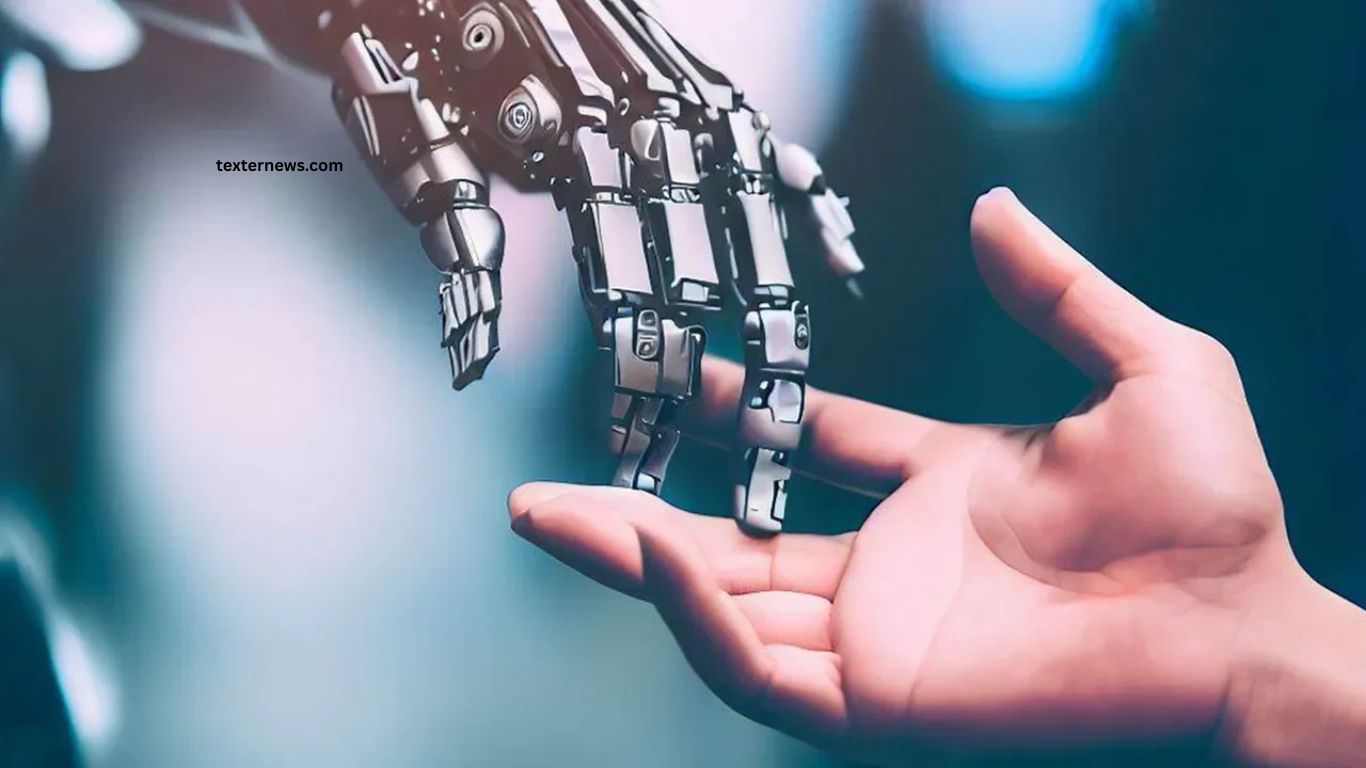
Artificial intelligence has moved beyond science fiction and become a valuable part of modern life. From smartphones and smart homes to healthcare and education, AI powers countless tools that help people complete tasks faster, make better decisions, and enjoy more personalized experiences. Businesses, students, professionals, and families all benefit from AI-driven technology every day.
As AI continues evolving, its influence reaches nearly every industry. Advanced algorithms, machine learning, and automation improve productivity while creating new opportunities for innovation. Understanding how artificial intelligence transforms everyday life helps people use technology more effectively and prepare for future advancements.
Read More: Emerging Technologies That Will Shape the Next Decade
Artificial Intelligence in Daily Activities
Artificial intelligence quietly supports many daily routines. Voice assistants answer questions, set reminders, manage schedules, and control smart devices. Navigation applications analyze traffic patterns to recommend faster routes, saving both time and fuel.
Streaming platforms also rely on AI to recommend movies, music, and television shows based on viewing habits. Online shopping websites suggest products that match customer interests, creating a personalized shopping experience that improves convenience.
AI Revolutionizing Healthcare
Healthcare has experienced remarkable improvements through artificial intelligence. AI-powered diagnostic systems analyze medical images with impressive accuracy, helping doctors identify diseases earlier. Predictive analytics assist healthcare professionals in recognizing health risks before serious complications develop.
Virtual health assistants answer common medical questions, schedule appointments, and monitor patient progress remotely. Wearable fitness devices use AI to track heart rate, sleep quality, physical activity, and overall wellness, allowing users to maintain healthier lifestyles.
Education: Becoming Smarter Through AI
Education continues changing because of artificial intelligence. Intelligent learning platforms adapt lessons according to individual learning speed, making education more engaging and effective. Students receive customized practice exercises that strengthen weaker subjects while encouraging continuous improvement.
Teachers also benefit from AI tools that automate grading, create lesson recommendations, and analyze student performance. This allows educators to spend more time supporting learning instead of completing repetitive administrative work.
Artificial Intelligence Enhancing Workplace Productivity
Modern workplaces increasingly depend on AI-powered software to improve efficiency. Automated systems organize schedules, manage customer inquiries, analyze business data, and generate reports within minutes. Employees spend less time handling repetitive work and more time solving complex challenges.
Businesses use AI to forecast market trends, optimize inventory, improve customer service, and strengthen cybersecurity. These capabilities increase operational efficiency while helping organizations make informed strategic decisions.
Smart Homes Powered by AI
Smart home technology demonstrates how AI simplifies everyday living. Smart thermostats learn household preferences and automatically adjust temperatures for comfort and energy savings. Intelligent security cameras detect unusual activity and provide real-time alerts to homeowners.
Voice-controlled lighting, appliances, and entertainment systems respond instantly to spoken commands, making household management more convenient for families of all sizes.
AI Transforming Transportation
Transportation systems have become safer and more efficient through artificial intelligence. Navigation systems continuously analyze road conditions and suggest better travel routes. Ride-sharing applications use AI to match passengers with nearby drivers quickly.
Automotive manufacturers continue developing advanced driver assistance technologies that improve safety through automatic braking, lane monitoring, adaptive cruise control, and collision prevention systems.
Artificial Intelligence Improving Financial Services
Financial institutions increasingly rely on AI to strengthen security and improve customer experiences. Fraud detection systems monitor transactions in real time, identifying suspicious activities before financial losses occur. AI-powered chatbots answer banking questions instantly while reducing customer waiting times.
Investment platforms analyze market data to provide personalized financial insights. Budget management applications also help individuals monitor spending habits and achieve financial goals through intelligent recommendations.
Entertainment and Creativity With Artificial Intelligence
Entertainment has embraced artificial intelligence across multiple platforms. AI recommends content based on personal interests, helping users discover music, movies, books, and games they enjoy. Content creators use AI-powered editing software to enhance images, videos, and audio efficiently.
Writers, designers, musicians, and marketers increasingly use AI tools to generate creative ideas, improve workflows, and produce high-quality content without replacing human creativity.
Artificial Intelligence Supporting Environmental Sustainability
Environmental conservation also benefits from AI innovation. Smart energy systems optimize electricity consumption, reducing waste and lowering environmental impact. Agricultural technology uses AI to monitor crops, predict weather conditions, and improve irrigation efficiency.
Scientists employ AI to analyze climate data, monitor wildlife populations, and develop solutions for environmental challenges, supporting sustainable development worldwide.
Challenges and Responsible AI Development
Although artificial intelligence offers significant advantages, responsible development remains essential. Privacy protection, cybersecurity, ethical decision-making, and transparency continue receiving global attention. Organizations must ensure AI systems operate fairly while protecting personal information.
Governments, technology companies, and researchers collaborate to establish regulations that encourage innovation while minimizing risks. Responsible AI development creates greater trust and ensures long-term benefits for society.
Future of Artificial Intelligence
Artificial intelligence will continue shaping daily life through smarter technologies and innovative solutions. Future advancements may improve healthcare treatments, educational opportunities, transportation systems, scientific research, and workplace collaboration even further.
Rather than replacing human abilities, AI will increasingly support people by handling repetitive tasks, analyzing complex information, and enabling better decision-making. Individuals who understand AI and adapt to technological changes will benefit most from this rapidly evolving digital future.
Frequently Asked Questions
What is artificial intelligence (AI)?
Artificial intelligence is technology that enables computers to perform tasks requiring human-like intelligence, such as learning, problem-solving, and decision-making.
How does AI help in everyday life?
AI improves daily life through smart assistants, personalized recommendations, navigation apps, online shopping, and automated services.
Is artificial intelligence replacing human jobs?
AI automates repetitive tasks but also creates new career opportunities that require human creativity and technical skills.
How is AI used in healthcare?
AI helps doctors diagnose diseases, analyze medical data, monitor patients, and improve treatment planning.
Is artificial intelligence safe to use?
AI is generally safe when developed responsibly with strong privacy, security, and ethical guidelines.
What is the future of artificial intelligence?
AI will continue advancing across healthcare, education, business, transportation, and everyday technology, making life more efficient and connected.
Conclusion
Artificial intelligence has become an essential part of everyday life, improving convenience, productivity, healthcare, education, finance, transportation, and entertainment. As technology advances, AI will continue creating opportunities that enhance personal and professional experiences. Embracing artificial intelligence responsibly allows society to enjoy innovation while maintaining ethical standards, privacy, and human-centered progress.
