

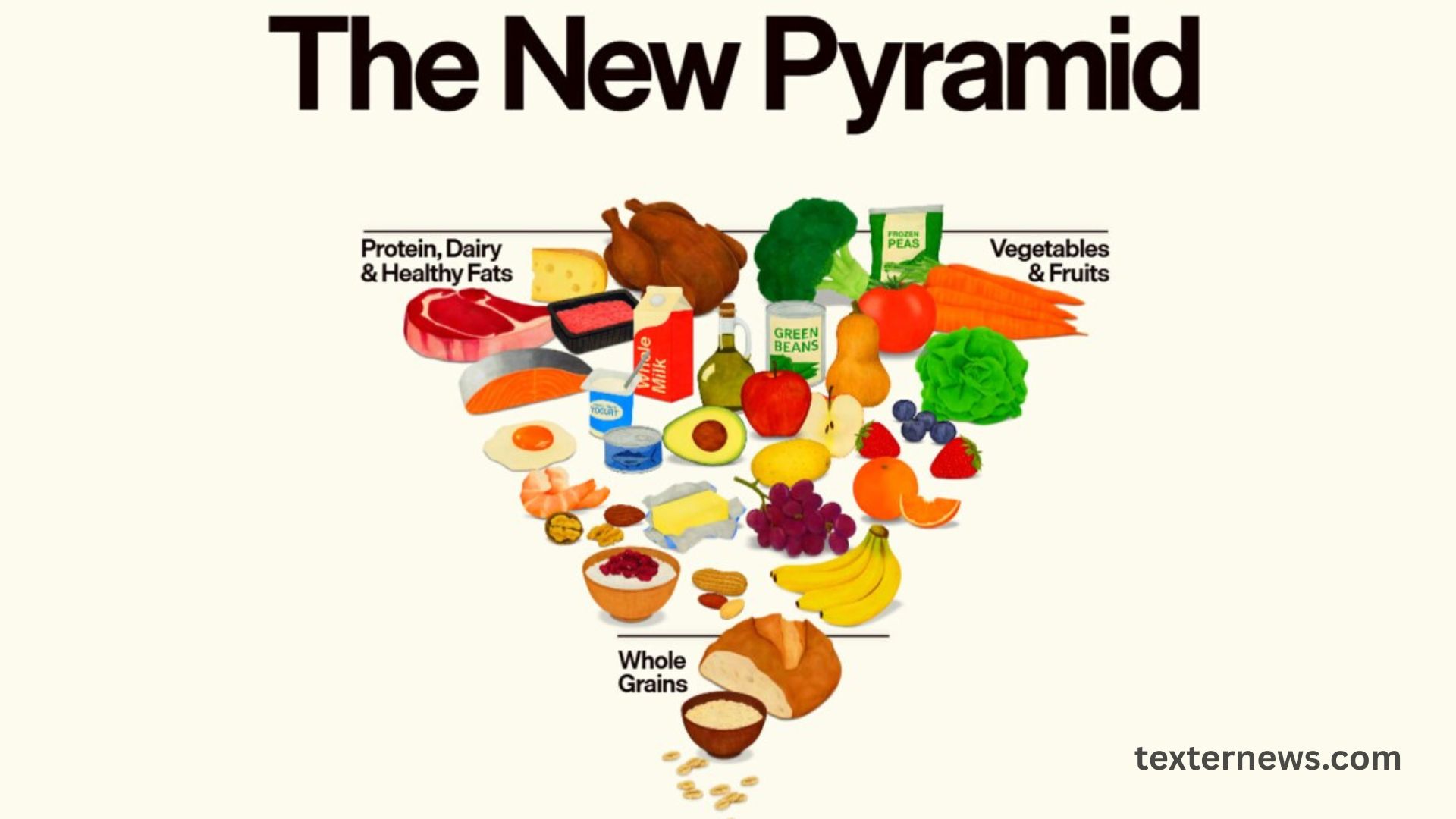
Nutrition plays a central role in preventing and managing chronic diseases such as obesity, diabetes, and cardiovascular conditions. In recent years, health authorities have increasingly emphasized the importance of integrating nutrition education into clinical practice. The U.S. Department of Health and Human Services (HHS) has introduced initiatives aimed at improving doctors’ understanding of dietary science to enhance patient outcomes. However, the effectiveness and design of these programs have sparked debate among medical professionals and nutrition experts.
Critics argue that while doctors play a crucial role in patient care, they are not trained dietitians and may lack the depth of expertise required for comprehensive nutrition counseling. Concerns have been raised that the new HHS nutrition education initiative may oversimplify complex dietary science and place additional burdens on already overworked physicians. This article explores the structure of the initiative, the criticisms it faces, its potential impact on healthcare delivery, and the broader implications for public health policy.
Understanding the HHS Nutrition Education Initiative
The HHS nutrition education initiative is designed to integrate basic nutrition training into medical education and continuing professional development for physicians. The goal is to equip doctors with essential knowledge about dietary patterns, chronic disease prevention, and lifestyle counseling.
This initiative reflects a growing recognition that diet is a major determinant of health outcomes. By improving doctors’ understanding of nutrition, policymakers hope to encourage more preventive care and reduce reliance on medication for diet-related conditions. However, the scope of the program has raised questions about whether it can realistically bridge the gap between medical training and specialized nutrition expertise.
Why Nutrition Education in Medicine Matters
Chronic diseases linked to poor nutrition account for a significant portion of healthcare costs and mortality rates in the United States. Conditions such as type 2 diabetes, hypertension, and heart disease are often influenced by dietary habits, making nutrition counseling an important component of preventive care.
Doctors are frequently the first point of contact for patients, placing them in a unique position to influence lifestyle choices. Even brief nutritional advice during consultations can have a meaningful impact on patient behavior. This is why integrating nutrition education into medical practice is seen as a potentially valuable public health strategy.
The Core Flaw: Doctors Are Not Dietitians
One of the central criticisms of the HHS initiative is the assumption that physicians can effectively replace or replicate the role of registered dietitians. While doctors receive some nutrition training during medical school, it is often limited in scope and depth compared to specialized dietetic education.
Registered dietitians undergo extensive training focused specifically on food science, metabolism, dietary planning, and clinical nutrition therapy. In contrast, medical training prioritizes diagnosis, pharmacology, and disease management. Critics argue that expecting doctors to provide detailed nutrition counseling may lead to oversimplified or inconsistent dietary advice.
Time Constraints in Clinical Practice
Another major concern is the time pressure faced by physicians. In many healthcare systems, doctors are required to manage large patient loads with limited consultation time. Adding comprehensive nutrition counseling responsibilities may further strain clinical workflows.
Even if doctors are equipped with basic nutrition knowledge, the practical reality of short appointments makes it difficult to deliver personalized dietary guidance. As a result, nutrition advice may become superficial or overlooked altogether, limiting the effectiveness of the initiative.
Risk of Oversimplified Dietary Advice
Nutrition science is complex and constantly evolving. Dietary needs vary based on age, medical history, genetics, and lifestyle factors. Critics warn that simplified training modules may encourage generalized advice that does not account for individual patient differences.
For example, dietary recommendations for patients with kidney disease differ significantly from those with diabetes or cardiovascular conditions. Without specialized training, there is a risk that physicians may unintentionally provide incomplete or inappropriate guidance.
The Role of Registered Dietitians in Healthcare
Registered dietitians are uniquely qualified to provide evidence-based nutritional counseling. They work closely with patients to develop personalized meal plans, manage chronic conditions, and support long-term lifestyle changes.
Many experts argue that instead of expanding doctors’ responsibilities, healthcare systems should focus on integrating dietitians more fully into clinical teams. Collaborative care models, where doctors diagnose and dietitians manage nutrition, are often considered more effective and sustainable.
Policy Intent Behind the Initiative
Despite criticisms, the HHS initiative is driven by a clear public health goal: reducing the burden of diet-related diseases. Policymakers believe that improving nutrition awareness among physicians can lead to earlier intervention and better patient education.
The initiative also reflects a broader shift toward preventive healthcare. By addressing lifestyle factors early, healthcare systems may reduce long-term treatment costs and improve population health outcomes.
Concerns About Implementation Quality
The success of any educational initiative depends heavily on its implementation. Critics have raised concerns about the quality and consistency of training materials used in the program. If courses are not standardized or evidence-based, the effectiveness of the initiative may vary widely across institutions.
There is also concern that online or short-course formats may not provide sufficient depth for meaningful learning. Without rigorous assessment and follow-up, the initiative risks becoming symbolic rather than practical.
Impact on Medical Education
Medical schools are already under pressure to cover a wide range of subjects within limited timeframes. Adding expanded nutrition content may require restructuring curricula or reducing focus on other areas.
Some educators argue that nutrition should be integrated more meaningfully into existing courses rather than added as an additional requirement. This would ensure that students understand its relevance without overwhelming the curriculum.
Patient Expectations and Public Perception
As nutrition education becomes more prominent in medical practice, patient expectations may also change. Many patients may assume that doctors are fully qualified nutrition experts, which could lead to misunderstandings.
Clear communication is essential to ensure that patients understand the difference between medical advice and specialized dietary planning. Misaligned expectations could lead to frustration or reduced trust in healthcare providers.
Potential Benefits of the Initiative
Despite its flaws, the initiative does offer some potential benefits. Even basic nutrition knowledge can help doctors identify dietary risk factors and provide general lifestyle advice. This can serve as an entry point for more detailed counseling by dietitians.
Additionally, increased awareness among physicians may improve early detection of diet-related health issues. This could lead to more timely referrals to nutrition specialists and better coordinated care.
Balancing Roles in Healthcare Teams
A more effective approach may involve strengthening interdisciplinary collaboration rather than expanding individual responsibilities. In this model, doctors, dietitians, nurses, and other healthcare professionals work together to address patient needs.
Such teamwork ensures that each professional operates within their area of expertise, improving overall care quality. Nutrition care becomes a shared responsibility rather than an added burden on physicians.
Global Perspectives on Nutrition Education
Other countries have adopted different approaches to integrating nutrition into healthcare. In some systems, dietitians play a central role in primary care settings, while doctors focus on diagnosis and referral.
These models suggest that successful nutrition care does not necessarily require physicians to become nutrition experts but rather to work closely with specialized professionals. This international perspective adds weight to the argument for collaborative care systems.
Read More: Controversial Education Bills Passed in Friday Legislative Sweep
Future of Nutrition in Healthcare Policy
The future of nutrition policy in healthcare is likely to involve a combination of education, technology, and interdisciplinary care. Digital health tools, including AI-based dietary tracking and personalized nutrition apps, may support both doctors and patients.
Policymakers may also refine educational programs to better align with clinical realities. Continuous evaluation and feedback will be essential to ensure that initiatives remain effective and evidence-based.
FAQs (Frequently Asked Questions)
What is the HHS nutrition education initiative?
It is a program aimed at improving doctors’ understanding of nutrition in clinical practice.
Why is it controversial?
Critics say doctors are not trained dietitians and may lack specialized expertise.
Do doctors learn nutrition in medical school?
Yes, but training is often limited compared to dietetic education.
What do dietitians do differently?
They provide specialized, personalized dietary counseling and meal planning.
Can doctors give nutrition advice?
Yes, but usually in a general and limited capacity.
What are the risks of this initiative?
Oversimplified advice and increased workload for physicians.
How can healthcare improve nutrition care?
By integrating dietitians into multidisciplinary care teams.
Will this program improve public health?
It may help, but effectiveness depends on proper implementation.
Conclusion:
The HHS nutrition education initiative reflects an important effort to address diet-related health challenges, but it also raises significant concerns about scope and implementation. While improving physicians’ nutrition knowledge can support preventive care, critics argue that doctors are not substitutes for trained dietitians. A balanced, collaborative approach may offer a more effective solution. Strengthening interdisciplinary healthcare teams and ensuring clear role definitions could help maximize patient outcomes while maintaining professional standards in both medicine and nutrition.
