

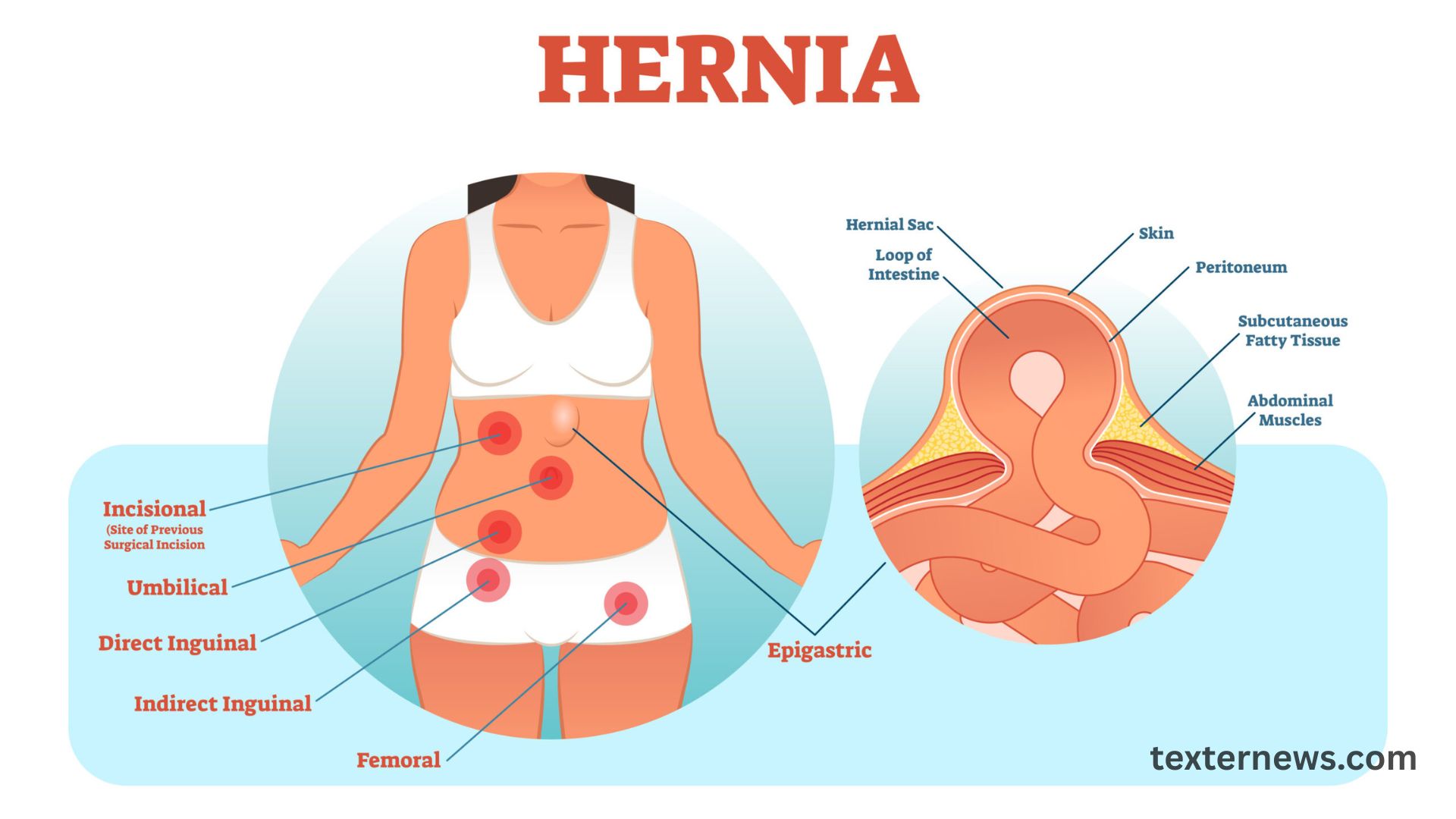
Internal hernias are rare but potentially life-threatening conditions that can lead to bowel obstruction and ischemia if not diagnosed promptly. Among these, herniation through an omental band is an uncommon presentation, particularly in patients with a so-called “virgin abdomen,” meaning no prior history of abdominal surgery. The absence of surgical history often complicates diagnosis, as clinicians may initially consider more common causes of abdominal pain.
This case highlights a patient presenting with a life-threatening internal hernia associated with a closed-loop obstruction despite normal laboratory findings. The unusual combination of subtle clinical signs and severe underlying pathology underscores the importance of maintaining a high index of suspicion. Early imaging, rapid diagnosis, and timely surgical intervention are critical in preventing complications such as bowel necrosis and sepsis. This article explores the clinical presentation, diagnostic challenges, management strategies, and broader implications of this rare surgical emergency.
Background and Clinical Significance
Internal hernias occur when a segment of the intestine protrudes through a defect within the peritoneal cavity. These defects can be congenital or acquired, with postoperative adhesions being the most common cause. However, in patients with a virgin abdomen, congenital anomalies such as omental bands become more relevant.
Closed-loop obstruction is a particularly dangerous form of bowel obstruction in which a segment of intestine is occluded at two points, leading to rapid distension, compromised blood flow, and a high risk of ischemia. Without prompt intervention, this condition can progress to bowel necrosis, perforation, and systemic infection. The rarity of internal hernias in patients without prior surgery makes early diagnosis challenging, often delaying treatment and increasing morbidity.
Case Presentation
A previously healthy adult patient presented to the emergency department with acute onset abdominal pain. The pain was diffuse, progressively worsening, and associated with nausea and intermittent vomiting. There was no history of prior abdominal surgery, trauma, or chronic gastrointestinal disease.
On physical examination, the patient appeared uncomfortable but hemodynamically stable. Abdominal examination revealed mild distension and generalized tenderness without signs of peritonitis. Bowel sounds were reduced, and there was no palpable mass. Initial laboratory investigations, including complete blood count, electrolytes, and inflammatory markers, were within normal limits.
Despite the lack of alarming laboratory findings, the severity and persistence of symptoms raised concern for an underlying surgical condition. The discrepancy between clinical presentation and laboratory results emphasized the need for further diagnostic evaluation.
Diagnostic Imaging and Findings
Computed tomography (CT) of the abdomen and pelvis was performed to evaluate the cause of the patient’s symptoms. Imaging revealed dilated loops of small bowel with a characteristic “C-shaped” configuration, suggestive of a closed-loop obstruction. There was evidence of mesenteric vessel crowding and mild edema, raising suspicion for compromised blood flow.
Further examination of the CT images identified a thin fibrous band within the omentum, through which a segment of the small intestine had herniated. This finding confirmed the diagnosis of an internal hernia caused by an omental band. Notably, there were no signs of perforation or advanced ischemia at this stage, highlighting the importance of timely imaging in preventing disease progression.
Surgical Management
Given the diagnosis of a closed-loop obstruction with risk of ischemia, the patient was taken for emergency exploratory surgery. Intraoperative findings confirmed the presence of an internal hernia caused by an omental band, with a segment of small bowel trapped within the defect.
The affected bowel segment appeared congested but viable, with no evidence of necrosis. The surgical team carefully released the herniated bowel and divided the omental band to prevent recurrence. The bowel was inspected thoroughly to ensure adequate perfusion before completing the procedure.
Early surgical intervention played a critical role in preventing complications. The absence of bowel necrosis eliminated the need for resection, reducing postoperative morbidity and improving recovery outcomes.
Postoperative Course and Recovery
The patient’s postoperative course was uneventful. Gradual return of bowel function was observed, and oral intake was resumed within a few days. Pain was managed effectively with standard analgesics, and there were no signs of infection or complications.
The patient was discharged in stable condition with instructions for follow-up. At subsequent visits, the patient reported complete resolution of symptoms and a return to normal daily activities. This favorable outcome highlights the importance of early diagnosis and prompt surgical management in cases of internal hernia.
Diagnostic Challenges in Virgin Abdomen Cases
Diagnosing internal hernias in patients with a virgin abdomen presents unique challenges. The absence of prior surgical history reduces suspicion for adhesions or postoperative complications, often leading clinicians to consider alternative diagnoses.
Normal laboratory findings can further complicate the clinical picture. In many cases, laboratory tests remain unremarkable until advanced stages of the disease. This underscores the importance of clinical judgment and the use of imaging studies in evaluating patients with unexplained abdominal pain.
Maintaining a high index of suspicion is essential, particularly when symptoms persist despite normal initial investigations. Early use of CT imaging can significantly improve diagnostic accuracy and guide timely intervention.
Importance of Early Intervention
Closed-loop obstruction is a surgical emergency that requires immediate attention. Delays in diagnosis and treatment can lead to rapid deterioration, including bowel ischemia, perforation, and sepsis.
This case demonstrates that even in the absence of alarming laboratory findings, severe pathology can be present. Early imaging and prompt surgical management are crucial in preventing complications and improving patient outcomes.
Healthcare providers should be aware of the potential for internal hernias in patients with unexplained abdominal pain, regardless of surgical history. Recognizing subtle clinical signs and acting decisively can save lives.
Literature Review and Comparison
A review of existing literature reveals that internal hernias through omental bands are rare, particularly in patients without prior surgery. Most reported cases involve delayed diagnosis due to nonspecific symptoms and normal laboratory results.
Comparisons with similar cases highlight the importance of imaging in identifying characteristic features such as closed-loop configurations and mesenteric vessel changes. Early surgical intervention consistently correlates with favorable outcomes, while delays increase the risk of complications.
This case adds to the growing body of evidence emphasizing the need for vigilance and early diagnostic evaluation in patients presenting with acute abdominal pain.
Read More: Boost Memory with the Right Exercise: Science-Backed Tips
Clinical Implications and Recommendations
This case underscores several important clinical lessons. First, internal hernias should be considered in the differential diagnosis of acute abdominal pain, even in patients with a virgin abdomen. Second, normal laboratory findings do not exclude serious pathology. Third, CT imaging is a valuable tool in diagnosing closed-loop obstruction and guiding management.
Clinicians should adopt a proactive approach when evaluating patients with persistent or severe symptoms. Early consultation with surgical teams and timely intervention can significantly improve outcomes. Education and awareness among healthcare providers are essential in reducing diagnostic delays and associated complications.
FAQs (Frequently Asked Questions)
What is an internal hernia?
It occurs when the intestine protrudes through a defect inside the abdominal cavity.
What is a closed-loop obstruction?
A severe blockage where a bowel segment is trapped at two points, risking ischemia.
Can internal hernias occur without surgery?
Yes, congenital defects like omental bands can cause hernias in a virgin abdomen.
Why are laboratory findings often normal?
Early stages may not show inflammation or infection, delaying diagnosis.
How is this condition diagnosed?
CT imaging is the most effective method for identifying internal hernias.
What is the treatment for closed-loop obstruction?
Emergency surgery is required to release the trapped bowel.
What complications can occur if untreated?
Bowel necrosis, perforation, and life-threatening infections may develop.
Can patients recover fully after surgery?
Yes, with early intervention, recovery is usually complete and complication-free.
Conclusion:
This case highlights a rare but life-threatening internal hernia caused by an omental band in a patient with a virgin abdomen. Despite normal laboratory findings, the presence of a closed-loop obstruction required urgent surgical intervention. Early imaging and prompt management prevented serious complications, demonstrating the importance of clinical vigilance. Recognizing this condition in similar presentations can lead to timely treatment, improved outcomes, and reduced morbidity in patients facing this uncommon but critical surgical emergency.
