

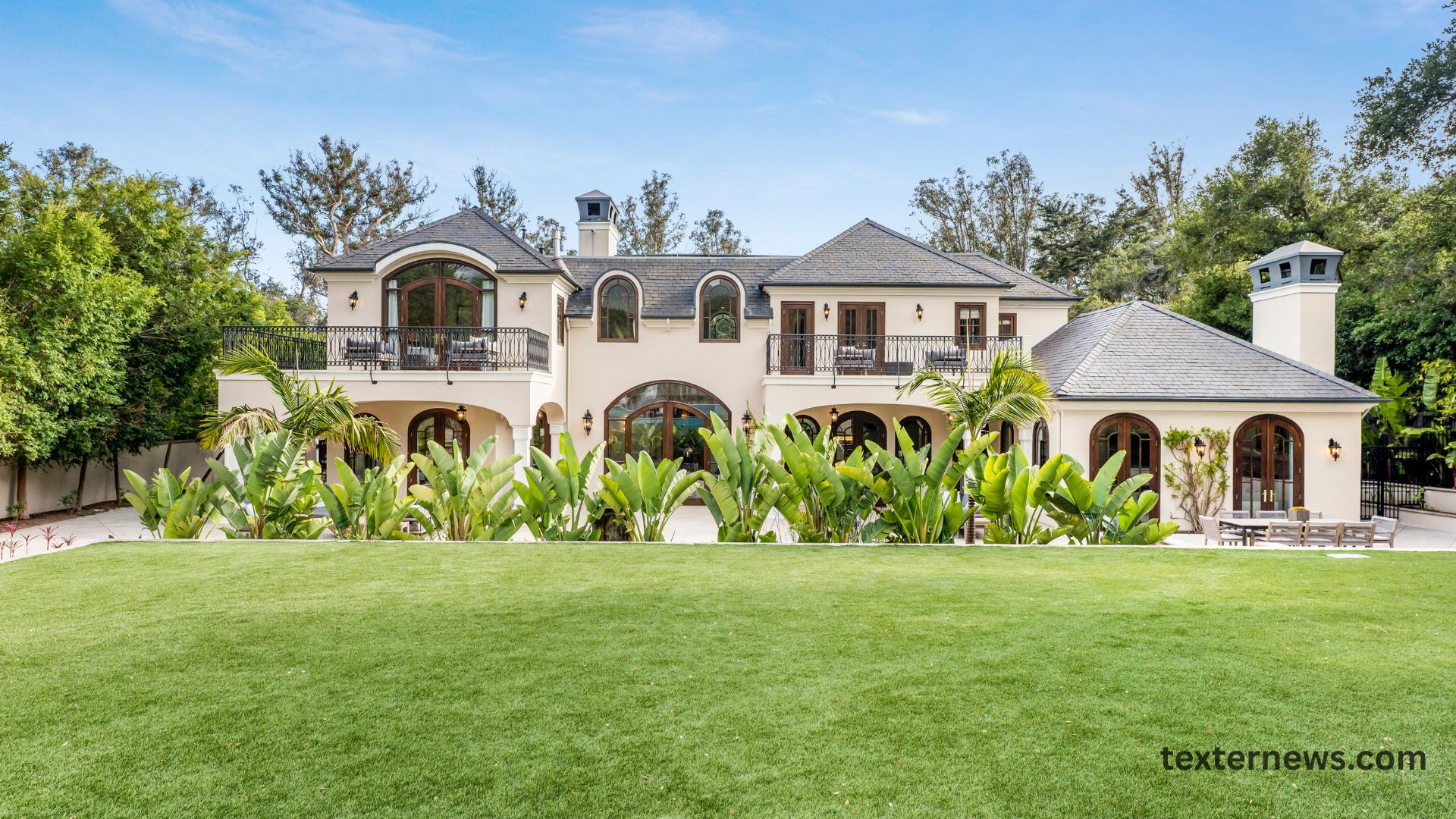
The U.S. housing market has experienced a dramatic transformation in recent years, with certain cities seeing million-dollar homes become the standard rather than a rarity. This shift is driven by factors such as high demand, limited housing supply, desirable neighborhoods, and strong economic growth in key metropolitan areas. Buyers are increasingly competing for properties in cities offering top-rated schools, vibrant communities, and luxury amenities. Homes that were once considered exclusive to the wealthy are now accessible to the upper-middle class, fundamentally reshaping the real estate landscape in these regions.
Experts attribute this trend to broader economic and demographic forces, including low mortgage interest rates, rising household incomes, and population growth in urban centers. Coastal cities and technology hubs are particularly affected, with high demand consistently outpacing supply. This article explores the U.S. housing markets where million-dollar listings are now common, examines the factors driving this trend, and provides insights for buyers and investors navigating today’s competitive luxury real estate market.
San Francisco: Luxury Homes in the Tech Hub
San Francisco remains one of the most expensive housing markets in the country, with million-dollar listings dominating neighborhoods like Pacific Heights and Nob Hill. The city’s limited housing supply, combined with the booming technology sector, has kept median home prices above the million-dollar mark for years. Historic homes, modern condos, and waterfront estates attract buyers willing to pay a premium for location, amenities, and prestige.
The competitive market often results in bidding wars, pushing final sale prices above the original listing. Tech professionals and investors continue to drive demand, while the city’s limited land availability restricts new construction. This combination of factors ensures that luxury real estate remains the standard, appealing to both domestic and international buyers seeking high-end properties in San Francisco.
Los Angeles: Million-Dollar Homes Across the City
Los Angeles exemplifies a market where million-dollar homes are increasingly common. From Beverly Hills and Malibu to upscale neighborhoods in the city’s eastern and northern areas, luxury real estate dominates the landscape. The entertainment industry, favorable weather, and sprawling estates contribute to consistently high property values. Even neighborhoods outside traditional luxury zones have seen significant appreciation as demand outpaces supply.
The diversity of Los Angeles real estate allows buyers to choose from historic estates, modern architectural homes, and coastal properties. Investors see strong opportunities due to continued population growth and the city’s global appeal. Understanding local zoning laws, neighborhood amenities, and market trends is essential for buyers looking to secure a property in this high-demand environment.
New York City: High-End Homes in Urban Centers
New York City remains synonymous with luxury real estate, where million-dollar properties are the norm in Manhattan, Tribeca, and Brooklyn Heights. High-rise condos, historic townhouses, and penthouses dominate the market, attracting domestic and international buyers. Limited land and high demand have pushed prices upward, making luxury living the standard in many neighborhoods.
Prospective buyers must navigate unique considerations, including property taxes, maintenance fees, and co-op board requirements. Despite these costs, New York City remains desirable for its economic opportunities, cultural attractions, and prestige. Investors and homeowners continue to compete in a competitive market that consistently supports high-value properties.
Miami: Coastal Luxury Drives Prices
Miami has emerged as a hotspot for million-dollar homes, particularly in neighborhoods like Miami Beach, Coral Gables, and Brickell. Waterfront estates, high-rise condos, and luxury residences cater to buyers seeking both lifestyle and investment value. Favorable tax policies, sunny weather, and vibrant international communities further drive demand in the area.
The high cost of living and limited availability of waterfront properties maintain the prevalence of luxury homes. Buyers in Miami must account for hurricane risk, insurance costs, and property maintenance. Despite these factors, the city’s real estate market continues to attract affluent buyers seeking premium living and long-term investment opportunities.
Seattle: Tech Growth Influences Housing Prices
Seattle has seen significant increases in housing prices due to the growth of the technology sector and population expansion. Neighborhoods like Queen Anne, Capitol Hill, and Bellevue have seen million-dollar homes become more common, reflecting high demand and limited supply. Tech industry professionals and investors drive competition for these properties, ensuring prices remain elevated.
The city’s housing market also reflects strong domestic and international interest. Buyers must consider factors like zoning laws, school districts, and neighborhood development when making purchasing decisions. Seattle combines economic opportunity with natural beauty and urban amenities, making it a prime market for luxury housing.
Boston: Education and Affluence Push Prices Higher
Boston’s historic neighborhoods, including Back Bay, Beacon Hill, and the Seaport District, showcase the growing prevalence of million-dollar homes. High demand is fueled by strong employment opportunities, top-tier universities, and vibrant cultural offerings. Buyers are attracted to homes with modern amenities while retaining historic charm, making the city a competitive real estate market.
Limited inventory and rising property values make Boston a challenging but rewarding market for buyers. Investors and homeowners must navigate taxes, local regulations, and neighborhood dynamics while considering long-term property appreciation. Boston remains an attractive city for those seeking a combination of luxury living and economic opportunity.
San Diego: Coastal Living Commands Premium Prices
San Diego’s real estate market reflects high demand for luxury coastal properties, with neighborhoods like La Jolla, Del Mar, and Rancho Santa Fe dominated by million-dollar listings. The city’s temperate climate, strong economy, and outdoor lifestyle appeal to affluent buyers seeking both primary residences and vacation homes.
Limited land availability and high buyer interest ensure that property prices remain elevated. Many luxury homes feature ocean views, private amenities, and proximity to elite schools, making them highly desirable. Buyers must also factor in maintenance costs, HOA fees, and insurance to make informed investment decisions.
Factors Driving Million-Dollar Listings Nationwide
Several overarching factors contribute to the rise of million-dollar homes as standard in the U.S. These include limited housing supply in desirable areas, strong economic growth, and increased demand for properties offering lifestyle amenities. Population growth in urban centers and coastal regions also plays a critical role, as buyers compete for limited inventory.
Low mortgage interest rates have made high-priced homes more accessible, while the perception of real estate as a strong long-term investment encourages buyers to enter these competitive markets. Additionally, international investment and migration trends amplify demand in major metropolitan areas. The convergence of these factors has transformed luxury housing from a niche segment into a mainstream market component.
Read More: Stocks Making Big Premarket Moves: Exxon, Carnival, Delta, GM
Investment Considerations for Buyers
Buying in markets where million-dollar homes are standard requires careful consideration. Understanding neighborhood dynamics, market trends, and local amenities is essential. Financing, including mortgage rates, taxes, and insurance, significantly affects affordability. Buyers should also consider long-term investment potential and market appreciation, particularly in coastal or metropolitan areas.
Working with experienced real estate professionals is critical for navigating competitive markets. Strategic planning, market research, and risk assessment help buyers secure desirable properties while maximizing investment potential. These considerations ensure that entering a high-priced housing market is both a lifestyle and financial decision.
FAQs (Frequently Asked Questions)
Which U.S. cities have million-dollar homes as standard?
San Francisco, Los Angeles, New York, Miami, Seattle, Boston, and San Diego feature high-priced properties.
Why are million-dollar homes common in these markets?
Limited housing supply, strong local economies, and high demand drive property values upward.
What factors influence luxury home prices in the U.S.?
Job growth, population trends, neighborhood amenities, and interest rates impact housing costs.
Are million-dollar homes a good investment?
Yes, they often appreciate faster than average homes and offer long-term lifestyle and financial benefits.
How do coastal cities affect luxury home pricing?
Desirable views, climate, and limited waterfront properties make coastal homes more expensive.
Do tech hubs have higher housing prices?
Cities like San Francisco and Seattle see elevated prices due to high-paying tech jobs and demand.
What should buyers consider when purchasing luxury homes?
Financing, property taxes, insurance, neighborhood dynamics, and long-term investment potential.
Is the trend of million-dollar listings growing nationwide?
Yes, rising demand and limited inventory are expanding luxury markets across major U.S. cities.
Conclusion:
Million-dollar homes are increasingly standard in U.S. cities like San Francisco, Los Angeles, New York, Miami, Seattle, Boston, and San Diego. High demand, limited inventory, and economic growth drive these markets, creating opportunities for affluent buyers and investors. Understanding local trends, neighborhood dynamics, and financial considerations is essential. As luxury housing becomes more common, strategic planning ensures buyers can capitalize on market opportunities while securing desirable properties that offer both lifestyle benefits and long-term investment value in today’s evolving real estate landscape.
