

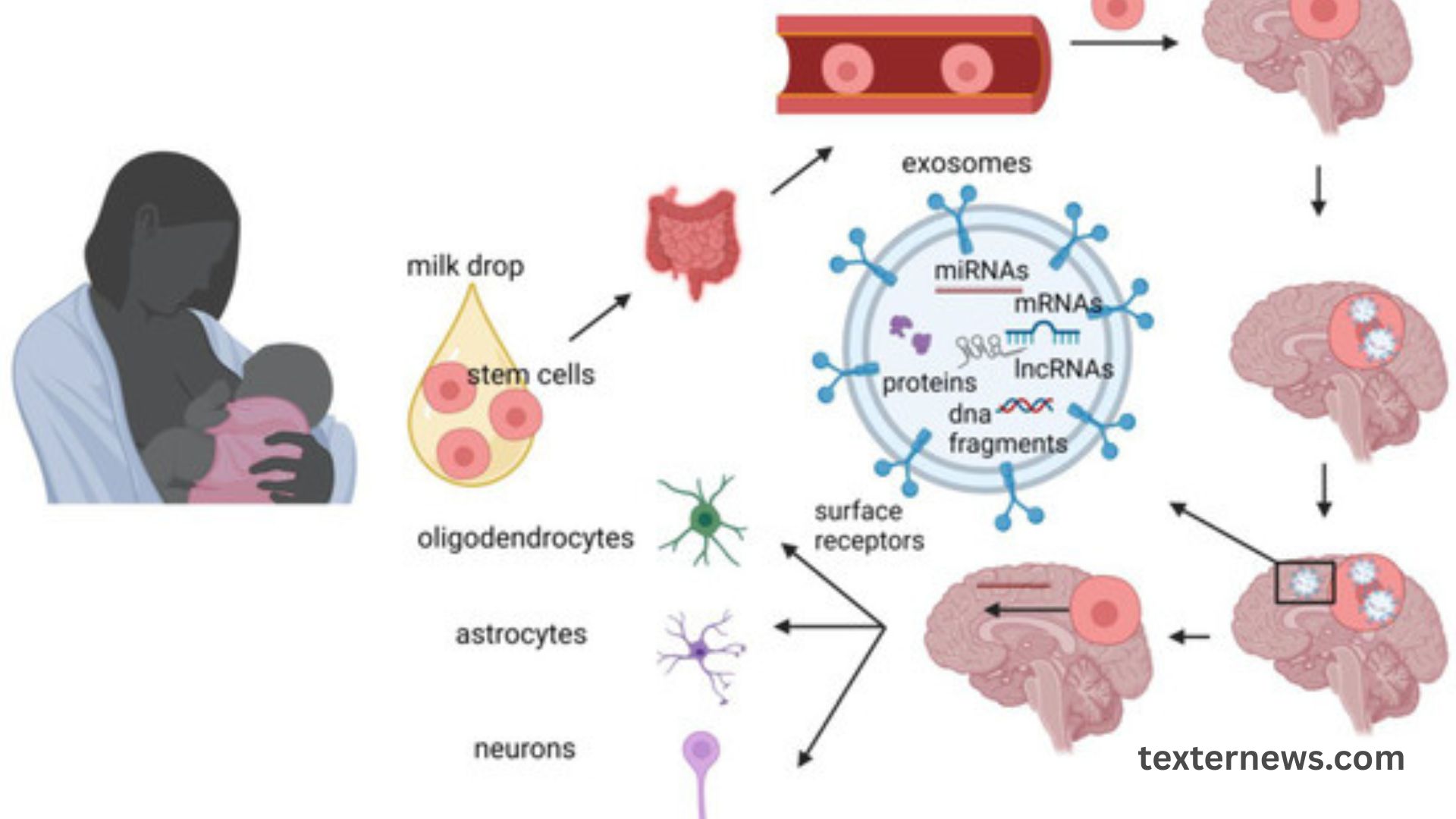
The early stages of life, particularly around birth, are increasingly recognized as a critical window for brain development. Recent scientific research suggests that epigenetic changes occurring at birth may play a significant role in shaping how the gut microbiome interacts with the developing brain. This emerging field of study is uncovering potential links between early-life biological processes and long-term neurodevelopmental outcomes.
Scientists are now exploring how these interactions may be associated with conditions such as autism spectrum disorder (ASD) and attention-deficit/hyperactivity disorder (ADHD). While research is still evolving, early evidence suggests that the microbiome, epigenetic regulation, and brain development are deeply interconnected. Understanding these relationships could help researchers develop new preventive strategies and therapeutic approaches for neurodevelopmental conditions. This article explores the science behind epigenetics at birth, the microbiome-brain connection, and its potential implications for ASD and ADHD.
Understanding Epigenetics at Birth
Epigenetics refers to changes in gene expression that do not alter the underlying DNA sequence. Instead, these changes influence how genes are turned on or off in response to environmental factors. At birth, a newborn’s epigenetic profile is highly dynamic and responsive to early-life exposures such as nutrition, stress, maternal health, and microbial colonization.
During this period, the body undergoes rapid biological programming. Epigenetic mechanisms such as DNA methylation and histone modification help regulate gene activity, particularly in systems involved in brain development and immune function. Researchers believe that disruptions during this sensitive window may have long-lasting effects on neurological outcomes.
The Role of the Microbiome in Early Development
The human microbiome refers to the trillions of microorganisms living in and on the body, especially in the gut. At birth, a newborn’s microbiome begins to develop rapidly, influenced by factors such as delivery method, breastfeeding, antibiotic exposure, and environment.
This microbial colonization plays a crucial role in shaping immune system development and metabolic processes. Increasing evidence suggests that the gut microbiome also communicates with the brain through the gut-brain axis, a complex network involving neural, hormonal, and immune signaling pathways. This communication is essential for healthy neurodevelopment during early life.
The Gut-Brain Axis and Neurodevelopment
The gut-brain axis is a bidirectional communication system connecting the gastrointestinal tract and the central nervous system. Microbes in the gut produce metabolites and signaling molecules that can influence brain function, mood regulation, and cognitive development.
In early life, this system is especially sensitive. Disruptions in microbiome composition during infancy may affect brain development by altering inflammatory responses, neurotransmitter production, and stress regulation. Researchers are investigating how these changes may contribute to neurodevelopmental conditions such as ASD and ADHD.
Link Between Epigenetics and the Microbiome
One of the most important discoveries in modern biology is the interaction between epigenetics and the microbiome. Microbial activity in the gut can influence epigenetic modifications, while epigenetic changes can also affect how the immune system responds to microbial colonization.
At birth, this relationship is particularly important. Early microbial exposure may help “program” gene expression patterns that influence brain development. Conversely, abnormal epigenetic regulation may disrupt microbiome balance, potentially affecting neurological outcomes. This bidirectional relationship is a key focus of current research in developmental biology.
Potential Links to Autism Spectrum Disorder (ASD)
Autism spectrum disorder is a complex neurodevelopmental condition characterized by challenges in communication, behavior, and social interaction. While its exact causes are not fully understood, both genetic and environmental factors are believed to play a role.
Recent studies suggest that differences in gut microbiome composition may be observed in individuals with ASD. Additionally, epigenetic changes during early development may influence genes associated with brain connectivity and neural signaling. Although no single cause has been identified, the interaction between microbiome and epigenetics is emerging as a promising area of research in understanding ASD risk.
Potential Links to ADHD
Attention-deficit/hyperactivity disorder is another neurodevelopmental condition associated with attention difficulties, impulsivity, and hyperactivity. Like ASD, ADHD is believed to result from a combination of genetic, environmental, and biological factors.
Research indicates that gut microbiome imbalances may influence neurotransmitter systems involved in attention and behavior regulation. Epigenetic changes during early development may also affect brain regions responsible for executive function. While more research is needed, scientists are investigating how early microbiome-epigenetic interactions may contribute to ADHD risk.
Influence of Birth and Early-Life Factors
Several factors during birth and early infancy can influence both epigenetic programming and microbiome development. These include mode of delivery, with vaginal birth exposing infants to maternal microbiota, while cesarean delivery results in different microbial colonization patterns.
Breastfeeding also plays a significant role, as breast milk contains beneficial bacteria and bioactive compounds that support healthy microbiome development. Antibiotic exposure in early life may disrupt microbial balance and potentially influence epigenetic processes. Environmental factors, including diet and household exposure, further contribute to shaping early development.
Scientific Evidence and Ongoing Research
Research into the connection between epigenetics, microbiome, and neurodevelopment is still in its early stages. Animal studies have demonstrated clear links between gut bacteria and brain function, while human studies are beginning to identify associations between microbiome composition and neurodevelopmental outcomes.
However, scientists caution that correlation does not equal causation. Many factors contribute to conditions such as ASD and ADHD, and the microbiome-epigenetic relationship is only one piece of a complex puzzle. Ongoing large-scale studies aim to clarify these interactions and determine their clinical significance.
Challenges in Understanding the Connection
One of the main challenges in this field is the complexity of biological interactions. The microbiome is highly variable and influenced by numerous external factors, making it difficult to establish clear cause-and-effect relationships.
Additionally, epigenetic changes are dynamic and can be reversible, further complicating research efforts. Longitudinal studies are required to track changes over time and better understand how early-life exposures influence long-term outcomes. Despite these challenges, advances in sequencing technology and bioinformatics are improving research capabilities.
Potential Implications for Prevention and Treatment
If future research confirms strong links between epigenetics, microbiome, and neurodevelopment, it could open new possibilities for early intervention. Strategies such as maternal nutrition optimization, probiotic supplementation, and controlled antibiotic use may help support healthy development.
Epigenetic therapies and microbiome-targeted treatments could also become part of personalized medicine approaches for neurodevelopmental conditions. However, these applications remain theoretical at this stage and require further scientific validation.
Read More: Giant Infrarenal Aortic Aneurysm Treated With Endovascular Repair
Future Directions in Research
The future of this field lies in integrating genetics, epigenetics, microbiome science, and neuroscience. Multi-disciplinary approaches are being used to better understand how early-life biology shapes brain development.
Advances in artificial intelligence and big data analysis are also helping researchers identify patterns that were previously difficult to detect. As knowledge expands, scientists hope to develop predictive models for neurodevelopmental risk and more effective early interventions.
FAQs (Frequently Asked Questions)
What is epigenetics at birth?
It refers to gene expression changes influenced by early-life environmental factors without altering DNA.
How does the microbiome affect brain development?
Gut bacteria communicate with the brain through the gut-brain axis, influencing neurological growth.
Is there a proven link between microbiome and ASD?
No direct cause has been proven, but studies show possible associations requiring further research.
Can early-life factors affect neurodevelopment?
Yes, birth method, nutrition, and antibiotics can influence microbiome and development.
What is the gut-brain axis?
It is a communication system between the gut and brain involving neural and chemical signals.
Does epigenetics play a role in ADHD?
Research suggests it may influence brain function, but more evidence is needed.
Can microbiome changes be reversed?
Yes, diet and lifestyle can help restore microbial balance in many cases.
Is this research conclusive?
No, it is still evolving and requires more long-term human studies.
Conclusion:
The relationship between epigenetics at birth, the microbiome, and neurodevelopment represents a rapidly evolving area of scientific research. While early findings suggest potential links to conditions such as ASD and ADHD, more evidence is needed to establish causation. Understanding how early-life biological processes interact may ultimately lead to improved prevention and treatment strategies. As research progresses, this field holds promise for transforming how we approach neurodevelopmental health from the earliest stages of life.
